カテゴリー別アーカイブ: 楽器の詳しい知識・学問

    caught-in-joy-UC7IJF81N54-unsplash
  • 【個人輸入の落とし穴】海外から楽器を自分で買って後悔しない!注意点と成功の秘訣

  • 2025/06/01
  • Category:
  • 「日本未発売のあの楽器がどうしても欲しい!」「海外の楽器店ならもっと安く手に入るかも?」

    近年、インターネットを通じて海外の楽器店から直接楽器を購入する人が増えています。しかし、国境を越えた取引には、国内での購入とは異なる様々なハードルや注意点が存在します。

    この記事では、海外から自分で楽器を取り寄せる際に絶対に知っておくべき注意点と、安全かつスムーズに取引するためのアドバイスを徹底的に解説します。憧れの楽器を手に入れるために、ぜひ最後までお読みください。

    andre-mosele-b6H12dhARzk-unsplash

    ~なぜ海外からの楽器購入は慎重になるべき?潜むリスク~

    魅力的な価格や珍しい楽器との出会いがある一方で、海外からの楽器購入には以下のようなリスクが潜んでいます。

    ●輸送中のトラブル: 長距離輸送となるため、楽器が破損したり、紛失したりするリスクが高まります。
    ●関税・消費税: 日本の税関で関税や消費税が課せられる場合があり、予期せぬ追加費用が発生することがあります。
    ●輸入規制・法律: 特定の木材を使用した楽器など、輸入が規制されている場合があります。
    ●言語の壁: 海外の楽器店とのコミュニケーションは外国語で行う必要があり、意思疎通が難しい場合があります。
    ●返品・交換の困難さ: 海外への返品や交換は、手続きが煩雑で費用も高額になることが多いです。
    ●保証の問題: 海外で購入した楽器は、日本国内での保証が受けられない場合があります。
    ●偽物・詐欺のリスク: 残念ながら、海外のオンラインショップの中には悪質な業者も存在します。
    ●代理店の問題:代理店を通し日本国内でも買える場合も要注意。自分で輸入する金額と比べ値段が倍以上だったり不具合があった際のアフターサービス対応が悪かったりすることもあります。

    woman-singing

    ~後悔しない!海外から楽器を購入する際の重要チェックポイント~

    上記のリスクを踏まえ、海外から楽器を購入する際には以下の点を細かく確認しましょう。

    1. 信頼できるショップを選ぶ

    ●評判・レビューの確認: 購入前に、ショップの評判や利用者のレビューを徹底的に調べましょう。楽器関連のフォーラムやSNSでの情報収集も有効です。
    ●セキュリティ対策: ウェブサイトがSSL暗号化(https://~)されているか確認し、個人情報や決済情報の保護がしっかりしているか確認しましょう。
    ●連絡先の明示: ショップの所在地、電話番号、メールアドレスなどが明確に記載されているか確認しましょう。
    不明な点があれば、事前に問い合わせてみることが重要です。
    ●実績の確認: 長年の営業実績があるショップや、楽器メーカーの正規代理店であるショップは比較的信頼性が高いと言えます。
    しかし近年はスタッフの質の低下も楽器店で見受けられるため、ネットレビューだけが頼りにはなりません。
    実際にお店を訪問し話を聞く事でスタッフの質を確認しておくことがお勧めです。

    2. 商品情報を詳細に確認する

    ●詳細な説明文と高画質写真: 楽器の種類、メーカー、型番、状態、付属品などを細かく確認しましょう。気になる部分は必ず質問し、追加の写真や動画を要求することも検討しましょう。
    ●仕様の確認: 日本国内で使用できる仕様(電圧など)であるか確認しましょう。特に電子楽器の場合は重要です。昇圧トランス(100V→115V等)が必要になる場合もあるので、トランス電源の使用で解決する場合は問題ないとも言えます。
    ●保証・返品ポリシーの確認: 保証の有無、期間、内容、返品・交換の条件などを細かく確認しましょう。

    3. 価格と総費用を把握する

    ●楽器本体価格: 日本円での価格を確認しましょう。為替レートの変動も考慮に入れる必要があります。2025年現在でも円安の為、慣れていないと思っていたより値段が高くつきます。
    ●送料: 日本までの送料を確認しましょう。運輸方法により高額になる場合もあります。
    ●関税・消費税: 日本に輸入する際にかかる可能性のある関税と消費税について、事前に調べておきましょう。税額は楽器の種類や価格によって異なります。税関のウェブサイトなどで確認できます。
    ●その他手数料: 決済手数料や保険料などがかかる場合もあります。総費用を把握した上で、国内で購入する場合と比較検討しましょう。

    4. 支払い方法の安全性

    ●安全な決済方法の選択: クレジットカードやPayPalなど、追跡可能で補償制度がある決済方法を選ぶようにしましょう。
    ●直接振込は慎重に: 個人口座への直接振込は、トラブル発生時の追跡が難しいため、できる限り避けましょう。

    5. 輸送方法と保険

    ●追跡可能な配送方法: 配送状況を追跡できる国際宅配便などを選びましょう。
    ●輸送保険の検討: 高価な楽器の場合は、輸送中の破損や紛失に備えて輸送保険への加入を検討しましょう。

    6. 輸入規制の確認

    ●ワシントン条約: 特定の木材(例:ハカランダ)を使用した楽器は、ワシントン条約によって輸入が規制されている場合があります。事前に確認が必要です。
    ●その他法律・規制: 各国の法律や規制により、楽器の輸入が制限されている場合があります。

    7. 言語の壁を乗り越える

    ●翻訳ツールの活用: 必要に応じて翻訳ツールを活用し、ショップとのコミュニケーションを取りましょう。
    ●英語での問い合わせ: 英語が比較的通じやすい場合が多いですが、丁寧な言葉遣いを心がけましょう。

    8. 受け取り時の確認

    梱包状態の確認: 商品が届いたら、梱包に破損がないか細かく確認しましょう。
    ●開封時の記録: 可能であれば、開封時の様子を動画などで記録しておくと、万が一のトラブル発生時に証拠となります。
    ●商品の確認: 商品が注文したものと合っているか、破損や不具合がないか早急に確認しましょう。問題があれば、すぐにショップに連絡しましょう。

    caught-in-joy-l3xsVNUe98U-unsplash

    ~より安全に海外から楽器を取り寄せるためのアドバイス~

    ●まずは比較的安価な商品から試す: 海外通販に慣れるまでは、比較的安価な商品から試してみるのがおすすめです。
    ●コミュニティの情報を参考にする: 楽器関連のフォーラムやSNSで、海外通販の経験者の意見や情報を参考にしましょう。
    ●代行サービスの利用を検討する: 言語や手続きに不安がある場合は、海外通販の代行サービスの利用を検討するのも一つの手段です。ただし、手数料がかかる場合があります。
    ●クーリングオフ制度がないことを理解する: 海外通販には、日本のクーリングオフ制度が適用されない場合が多いことを理解しておきましょう。

    caspar-rae-xp-xKHycuBM-unsplash

    ~まとめ~

    海外から憧れの楽器を手に入れることは魅力的ですが、多くの注意点とリスクが伴います。この記事で解説したポイントをしっかりと理解し、慎重に取引を進めることが重要です。

    事前の情報収集と確認を怠らず、安全な方法で海外からの楽器購入を成功させましょう。

    個人輸入に慣れれば安く商品を購入する事ができます。
    楽器店も商品によっては高額なマージンを乗せて販売している事もあり、例えば本当は20数万円のギターが店頭で50万円程度で販売されている事もあります。
    極端な場合はこの様な事もあるので、個人輸入で購入できるなら日本で買う金額で同じ物を2個購入できる場合もあります。

    ネットインフラも整い誰でも簡単に海外から商品を買える時代になりましたが、まだまだ注意する事は多いのでリスクも考えた買い物程度にしておく事をオススメします。

    読んで頂きありがとうございました!


    I really want that instrument that has not been released in Japan! I wonder if I can get it at a lower price at an overseas music store.”

    In recent years, more and more people are purchasing musical instruments directly from overseas music stores via the Internet. However, there are various hurdles and precautions involved in cross-border transactions that are different from those involved in domestic purchases.

    This article provides a thorough explanation of the precautions you absolutely need to know when ordering musical instruments yourself from overseas, as well as advice on how to ensure a safe and smooth transaction. Please read to the end to get the instrument of your dreams.

    ~Why should you be cautious about purchasing musical instruments from overseas? Lurking Risks~.

    While there are attractive prices and encounters with rare instruments, the following risks are inherent in purchasing instruments from overseas.

    Shipping problems: Because of the long distances involved, there is an increased risk of damage to or loss of the instrument.
    Customs duties and consumption taxes: Japanese customs may impose duties and consumption taxes, which may result in unexpected additional costs.
    Import restrictions and laws: There may be cases where importation is restricted, such as for instruments made of certain woods.
    Language barriers: Communication with overseas music stores must be in a foreign language, which may make communication difficult.
    Difficulty in returning or exchanging instruments: The procedures for returning or exchanging instruments overseas are often complicated and expensive.
    Warranty issues: Musical instruments purchased overseas may not be covered by warranty in Japan.
    Fake instruments and fraud: Unfortunately, there are some malicious vendors among overseas online retailers.

    -No regrets! Important checkpoints when purchasing musical instruments from overseas~.

    Based on the above risks, check the following points in detail when purchasing musical instruments from overseas. 1.

    1. choose a reliable store

    Check the reputation and reviews: Before purchasing, thoroughly research the store’s reputation and user reviews. Gathering information on instrument-related forums and social networking sites can also be helpful.
    Security measures: Make sure the website is SSL encrypted (https://~) and that your personal and payment information is well protected.
    Clear contact information: Make sure the store’s location, phone number, and email address are clearly listed. If you have any questions, it is important to inquire in advance.
    Check the store’s track record: A store that has been in business for many years or is an authorized distributor of a musical instrument manufacturer is relatively reliable. 2.

    2. check detailed product information

    Detailed description and high quality photos: Make sure to детально the type of instrument, manufacturer, model number, condition, and accessories. Be sure to ask questions about any areas of concern and consider requesting additional photos or video.
    Check the specifications: Make sure that the product has the specifications (e.g., voltage) to be used in Japan. This is especially important for electronic instruments.
    Check the warranty and return policy: Make sure тщательно that there is a warranty, how long it lasts, what it covers, and what the return/exchange terms are. 3.

    3. ascertain the price and total cost

    Price of the instrument: Check the price in Japanese yen. You will also need to take into account exchange rate fluctuations.
    Shipping: Check the shipping costs to Japan. It can be expensive.
    Duties and Taxes: Find out in advance what duties and taxes you may be subject to when importing into Japan. The amount of tax depends on the type and price of the instrument. You can check the customs website for more information.
    Other Fees: There may be other fees such as settlement charges and insurance costs. After understanding the total cost, compare it with the cost of buying in Japan. 4.

    4. payment security

    Choose a secure payment method: Choose a payment method that is traceable and compensated, such as credit card or PayPal.
    Be cautious with direct transfers: Avoid direct transfers to personal accounts if at all possible, as they are difficult to trace in the event of a problem.

    5. shipping methods and insurance

    Choose a trackable delivery method: Choose an international courier service that can track the delivery status of your package.
    Consider shipping insurance: For expensive instruments, consider purchasing shipping insurance to protect against damage or loss in transit. 6.

    6. check import regulations

    Washington Convention: Importation of instruments made of certain woods (e.g., Hakaranda) may be restricted by the Washington Convention. You will need to confirm this in advance.
    Other laws and regulations: The importation of instruments may be restricted by the laws and regulations of each country.

    7. overcoming language barriers

    Use translation tools: If necessary, use translation tools to communicate with the store.
    Inquiries in English: In most cases, English is relatively easy to understand, but be sure to use polite language.

    8. check upon receipt

    Check the condition of the package: When you receive the goods, check the package carefully for any damage.
    If possible, record the opening of the package with a video or other means so that you can use it as evidence in case of any problems.
    Check the items: Make sure that they are exactly what you ordered and that there is no damage or defects. If there are any problems, contact the store immediately.

    ~Tips for ordering instruments from overseas more safely

    Start with relatively inexpensive items: It is a good idea to start with relatively inexpensive items until you are comfortable with international shopping.
    Consult the community: Check instrument-related forums and social networking sites for information and opinions from people who have experience with international shopping.
    Consider using an agent service: If you are unsure about language and procedures, you may want to consider using an overseas shopping service. However, fees may apply.
    Understand that there is no cooling-off system: In many cases, the Japanese cooling-off system does not apply to overseas shopping.

    ~Summary

    Although it is tempting to obtain the instrument of your dreams from overseas, there are many precautions and risks involved. It is important to understand the points explained in this article and proceed with the transaction carefully.

    Do not neglect to gather and confirm information in advance, and succeed in purchasing instruments from overseas in a safe manner.

    Thank you for reading!


    〒114-0014 東京都北区田端1-21-3 エーデルワイス101

    ギターリペア工房 Draw a New Sound

    東京都 山手線 田端から徒歩2分 どこよりも早いリペア早期仕上げ対応可能のリーズナブル料金&丁寧な作業のギターリペアショップです♪

    ●ホームページ Draw a New Sound

    ●YouTubeではブログでは語られない裏話からギターの作り方まで掲載中! 
    マイチャンネル YouTubeチャンネル

    ●ツイッター DNS_Guitar


    utsav-srestha-XHNJ1AYQ2L0-unsplash
  • ギター弦交換、もう迷わない!初心者でも失敗しない完全ガイド&プロのコツ

  • 2025/05/30
  • Category:

  • 「最近ギターの音がなんだか篭ってきたなぁ…」「弦が錆びてきて弾きにくい…」

    ギターを弾いている皆さんなら、一度はそう感じたことがあるのではないでしょうか? そう、ギターの弦交換は、ギターを最高のコンディションに保ち、素晴らしいサウンドを引き出すために、避けては通れないメンテナンスなんです。

    でも、初心者の方にとっては「難しそう…」「失敗したらどうしよう…」と不安に感じるかもしれませんね。

    ご安心ください! 今回は、僕が長年の経験で培ってきた、初心者の方でも絶対に失敗しないギター弦の交換方法を徹底的に解説します! さらに、プロのギタリストも実践しているちょっとしたコツも伝授しちゃいますよ。

    この記事を読めば、あなたも自信を持って弦交換ができるようになり、ギターライフがさらに充実すること間違いなし! ぜひ最後までじっくり読んで、あなたの愛するギターを最高の状態に保ってあげてくださいね。

    marcin-nowak-59wBmsbP1lM-unsplash

    ~なぜ弦交換は大切なの?~

    「別に今すぐ切れそうじゃないし、まだいいか…」なんて思っている方もいるかもしれません。でも、弦交換を怠ると、実は色々なデメリットがあるんです。

    ●音質の劣化: 古くなった弦はサビや汚れが蓄積し、本来のクリアでハリのあるサウンドが出なくなってしまいます。特に高音域の伸びが悪くなり、全体的にぼやけた印象に。
    ●演奏性の低下: 弦が劣化すると表面がザラザラしたり、サビで引っかかりやすくなったりして、スムーズなフィンガリングやピッキングが難しくなります。
    ●チューニングの不安定さ: 古い弦は伸びやすく、チューニングが狂いやすくなります。せっかく合わせたチューニングもすぐにズレてしまい、演奏に集中できません。
    ●ギター本体への悪影響: 放置されたサビは、フレットや指板を傷つける原因になることも。大切なギターを長く愛用するためにも、定期的な弦交換は不可欠なんです。

    つまり、弦交換は単なるメンテナンスではなく、ギターのポテンシャルを最大限に引き出し、快適な演奏環境を維持するための重要な儀式と言えるでしょう。

    dan-cristian-padure-noOXRT9gfQ8-unsplash

    ~弦交換に必要な道具たち~

    さあ、実際に弦交換を始める前に、必要な道具を揃えましょう。意外と少ないんですよ!

    新しいギター弦: 自分のギターに合ったゲージ(太さ)と種類を選びましょう。迷ったら、お気軽にご相談くださいね! あなたのプレイスタイルやギターに最適な弦を一緒に見つけましょう。

    ●弦切りニッパー(またはワイヤーカッター): 古い弦を切るために使います。
    ●ストリングワインダー: ペグを素早く回して弦を巻くための道具。これがあると格段に作業が楽になります!
    ●チューナー: 新しい弦を張った後にチューニングするために必須です。
    ●(あれば) ギタークロス: 弦交換のついでにギター全体を綺麗に拭いてあげましょう。
    ●(あれば) 指板潤滑剤: 指板の乾燥を防ぎ、弦の滑りを良くする効果があります。

    これらの道具は、ほとんどの楽器店で手に入れることができます。

    レギュラーチューニングであれば一般的に09-42エクストラライトゲージ、10-46ライトゲージの使用が一般的です。

    vie-g-zHmSGpT86lw-unsplash

    ~いよいよ実践!弦交換のステップバイステップ~

    それでは、実際に弦を交換していきましょう! 今回は一般的なエレキギターを例に解説しますが、アコースティックギターやベースギターも基本的な流れは同じです。

    ・ステップ1:古い弦を緩める
    まず、ペグを回して古い弦を緩めます。弦が完全に緩むまで、ゆっくりと回しましょう。

    ・ステップ2:古い弦を切る
    弦が緩んだら、ブリッジ側(ギターの下の部分)の弦を切ります。弦切りニッパーがない場合は、ペンチでも代用できますが、怪我をしないように注意してください。

    ・ステップ3:古い弦を取り外す
    ペグ側とブリッジ側から、古い弦を丁寧に抜き取ります。この時、ブリッジピン(アコースティックギターの場合)をなくさないように注意しましょう。

    ・ステップ4:新しい弦を張る(ペグ側)
    新しい弦のボールエンド(丸い部分)をブリッジの穴にしっかりと入れます。次に、弦をペグの穴に通します。この時、弦を少し引っ張りながら通すと、後で巻きやすくなります。

    ・ステップ5:新しい弦を巻く(ペグ側)
    ペグを回して弦を巻き始めます。ストリングワインダーを使うと楽に巻けます。弦を巻く方向は、ペグの種類によって異なりますが、一般的には内側から外側に向かって巻くようにします。弦がペグポストに2~3回巻きつくように調整しましょう。巻きすぎる(弦の上に弦が重なる)とチューニングが不安定になる原因になります。

    ★【プロのコツ1】★ 弦を巻く際、少し下向きに引っ張りながら巻くと、弦がペグポストにしっかりと固定され、チューニングが安定しやすくなります。
    巻く回数が分かり難い場合、ペグの1個半先か2個先の位置(例:ストラトの6弦を巻く場合、5~4弦ペグの間か4弦ペグ位置)で弦に折り目をつけ、その折り目をペグに引っ掛けた状態で巻くと上手くいったりします。

    61BaXsE5L8L

    もしくは巻き数を簡単に自由自在に変えられる商品が「ESPストリンガー」という商品です。
    巻きたいペグにストリンガーの穴の大きさの合うペグ位置から巻き数を簡単に見て分かるという便利商品です!
    巻きたいペグに穴を通した状態から1.5巻き・2回巻き位置に折り目を付け、折り目をペグに引っ掛けて巻くだけで簡単に指定した巻き数で巻く事が可能です!

    ・ステップ6:新しい弦を張る(ブリッジ側)
    エレキギターの場合は、弦をブリッジのサドルに通し、ボディ裏側の穴に通します。アコースティックギターの場合は、ブリッジピンでしっかりと固定します。

    ・ステップ7:チューニングする
    全ての弦を張り終えたら、チューナーを使って正しい音程にチューニングします。最初は弦が伸びやすいので、何度かチューニングを繰り返しましょう。

    ★【プロのコツ2】★ チューニングが安定したら、すぐに使用する場合は軽く弦を引っ張って伸ばすストレッチを数回行いましょう。こうすることでよりチューニングが狂いにくくなりますが部分的に引っ張ると金属疲労のような症状が弦に起こり(弦がウネる)ますので自然に弾いて伸ばす(馴染ませる)事を心掛けましょう。

    ・ステップ8:余った弦を切る
    ペグに残った余分な弦を、弦切りニッパーで切り落とします。この時、指やギター本体を傷つけないように注意してください。

    ★【プロのコツ3】★ 余った弦は、ペグポストの根元から少し長めに残して切ると、後で微調整する際に便利です。ただし、長すぎると演奏の邪魔になるので注意しましょう。

    toyamakanna-vu7mY-LmAu0-unsplash

    ~弦交換の頻度の目安~

    「どのくらいの頻度で弦交換をすればいいの?」という疑問を持つ方も多いでしょう。これは、演奏頻度や弦の種類、保管状況などによって大きく異なりますが、一般的な目安としては以下の通りです。

    ●毎日1時間以上弾く方: 月に1~2回
    ●週に数回程度弾く方: 2~3ヶ月に1回
    ●あまり弾かない方: 半年に1回程度
    また、「音が篭ってきた」「サビが目立つ」「弾きにくい」と感じたら、交換時期です。弦は生き物と同じで、時間とともに劣化していくもの。常に最高のサウンドで演奏するためにも、定期的な交換を心がけましょう。

    困ったらDNS Guitarにお任せください!
    「やっぱり自分でやるのは不安…」「時間がないからプロにお願いしたい!」

    そんな時は、遠慮なくDNS Guitarにお任せください! 経験豊富なスタッフが、あなたの愛するギターの弦を丁寧に、そしてスピーディーに交換し調整いたします。弦の種類選びや、ギターのメンテナンスに関するご相談も大歓迎です!

    当店ではギター弦はダダリオを取り揃えており、あなたのギターやプレイスタイルに最適な太さ弦をご提案させていただきます。
    レギュラーチューニング用09-42・10-46を用意し、ダウンチューニング用に11-56・12-60を用意しております。

    弦交換だけでなく、ギターの調整や修理など、ギターに関するあらゆるご相談に対応しておりますので、お気軽に予約の上ご来店ください。

    ~まとめ~

    いかがでしたでしょうか? 今回は、ギター弦の交換方法について、初心者の方にも分かりやすく解説しました。

    弦交換は、少し慣れれば誰でも簡単にできるようになります。ぜひこの記事を参考に、ご自身のギターの弦交換にチャレンジしてみてください。

    そして、もし困ったことがあれば、いつでもDNS Guitarを頼ってくださいね! 皆さんのギターライフが、より楽しく、より豊かなものになるよう、全力でサポートさせていただきます!

    読んで頂きありがとうございました!


    Recently, the sound of my guitar has become a bit muffled…” ”The strings are getting rusty and it’s hard to play…”

    If you play the guitar, you have probably felt this way at least once, haven’t you? Yes, changing guitar strings is an unavoidable part of maintenance to keep your guitar in top condition and to get the best sound out of it.

    However, beginners may feel uneasy about it, thinking, “It looks difficult…” or “What if I make a mistake…?

    Don’t worry! In this article, I will thoroughly explain, with plenty of photos and illustrations, how to change guitar strings without fail, even for beginners, which I have cultivated through years of experience! In addition, I’ll also teach you some little tricks that professional guitarists also practice.

    This article will help you learn how to change strings with confidence, and will surely enhance your guitar life! Please take the time to read through to the end and keep your beloved guitar in tip-top shape!

    Why is it important to change strings?
    You may be thinking, “I’m not going to break anytime soon, so I don’t need to worry about it yet. But if you neglect to change the strings, there are actually many disadvantages.

    Deterioration of sound quality: Old strings accumulate rust and dirt and lose their original clear, crisp sound. In particular, the extension in the upper register is reduced, and the overall impression is blurred.
    Reduced playability: Deteriorated strings have a rough surface and rust that makes them more prone to catching, making smooth fingering and picking difficult.
    Tuning instability: Old strings tend to stretch and go out of tune easily. Even if you have made a good job of tuning your guitar, it will soon be out of tune, making it difficult to concentrate on your playing.
    Rust can cause damage to the frets and fingerboard. Regular string changes are essential for the longevity of your precious guitar.
    In other words, changing strings is not just maintenance, but an important ritual to maximize the guitar’s potential and maintain a comfortable playing environment.

    Tools necessary for string changes
    Now, before you actually start changing the strings, let’s get the necessary tools. They are surprisingly few!

    New guitar strings: Choose the right gauge (thickness) and type for your guitar. If you’re not sure, feel free to contact us for help! We will work with you to find the best strings for your playing style and guitar.

    String nippers (or wire cutters): Used to cut old strings.
    String winder: A tool used to quickly turn pegs and wind strings. This will make your work much easier!
    Tuner: Essential for tuning your guitar after putting on new strings.
    Guitar cloth (if you have one): Wipe the whole guitar clean when you change strings.
    Fingerboard lubricant (if available): This will prevent the fingerboard from drying out and help the strings to glide better.

    These tools are available at most music stores.

    ~ Finally, Practice! Changing Strings Step by Step~!

    Now, let’s actually change the strings! In this article, we will use a typical electric guitar as an example, but the basic process is the same for acoustic and bass guitars.

    Step 1: Loosen the old strings
    First, loosen the old strings by turning the pegs. Turn the pegs slowly until the strings are completely loose.

    Step 2: Cut the old strings
    Once the strings are loose, cut the strings on the bridge side (the lower part of the guitar). If you do not have string nippers, you can use scissors instead, but be careful not to injure yourself.

    Step 3: Remove the old strings
    Carefully remove the old strings from the peg side and the bridge side. Be careful not to lose the bridge pin (on acoustic guitars).

    Step 4: String new strings (peg side)
    Place the ball end (round part) of the new string firmly into the hole in the bridge. Next, insert the string through the hole in the peg. Pull the string slightly to make it easier to wind the string later.

    Step 5: Winding the new strings (peg side)
    Turn the pegs and start winding the strings. You can use a string winder to make this easier. The direction in which you wind the string depends on the type of peg, but generally you should wind from the inside toward the outside. Adjust the string so that it wraps around the peg post two or three times. If you wind the string too much, it may cause tuning instability.

    When winding the string, pull slightly downward to hold the string firmly in place on the peg post and help stabilize the tuning.

    Step 6: String new strings (bridge side)
    For electric guitars, pass the strings through the bridge saddle and into the holes on the back side of the body. For acoustic guitars, use a bridge pin to hold the string in place.

    Step 7: Tuning
    Once all the strings are attached, tune the guitar to the correct pitch using a tuner. The strings tend to stretch easily at first, so repeat the tuning process several times.

    Once the tuning is stable, stretch the strings a few times by lightly pulling and stretching them. This will make it more difficult for the strings to go out of tune.

    Step 8: Cut the excess strings
    Cut off any excess strings remaining on the pegs with string nippers. Be careful not to damage your fingers or the guitar itself.

    Pro Tip 3: Cut off the excess string leaving a little extra length from the base of the peg post for later fine tuning. However, be careful not to leave them too long, as they will interfere with your playing.

    ~How often should I change the strings?
    Many of you may be asking yourself, “How often should I change the strings?” This is based on how often you play and how often the strings should be changed. This varies greatly depending on the frequency of playing, type of strings, storage conditions, etc. However, the general guidelines are as follows.

    Those who play more than one hour every day: once or twice a month
    Those who play several times a week: once every two to three months
    Those who do not play very often: about once every six months
    If you feel that the sound has become muffled, rust is noticeable, or the strings are difficult to play, it is time to replace them. Strings are like living things and deteriorate over time. To ensure that you always play with the best sound, be sure to replace them regularly.

    When in doubt, leave it to DNS Guitar!
    I’m still worried about doing it myself…” ”I don’t have time, so I need a professional to do it for me!

    In such cases, don’t hesitate to leave it to DNS Guitar! Our experienced staff will carefully and quickly change the strings on your beloved guitar. You are also welcome to consult with us about choosing the right kind of strings and guitar maintenance!

    We have a wide selection of high quality guitar strings from a variety of manufacturers and will be happy to suggest the best strings for your guitar and playing style.

    In addition to string changes, we also offer all kinds of consultations regarding guitar adjustments and repairs, so please feel free to visit our store.

    ~ Summary~.

    How was it? In this article, we have explained how to change guitar strings in an easy-to-understand way for beginners.

    Anyone can easily change strings with a little familiarity. Please refer to this article and try changing the strings on your own guitar.

    And if you have any trouble, you can always count on DNS Guitar! We will do our best to help make your guitar life more enjoyable and richer!

    Thank you for reading!


    〒114-0014 東京都北区田端1-21-3 エーデルワイス101

    ギターリペア工房 Draw a New Sound

    東京都 山手線 田端から徒歩2分 どこよりも早いリペア早期仕上げ対応可能のリーズナブル料金&丁寧な作業のギターリペアショップです♪

    ●ホームページ Draw a New Sound

    ●YouTubeではブログでは語られない裏話からギターの作り方まで掲載中! 
    マイチャンネル YouTubeチャンネル

    ●ツイッター DNS_Guitar


    maxresdefault
  • 楽器業界でもAIが凄い!今更聞けない今後の視聴者に求められる事、無知はもう罪である。

  • 2025/05/16
  • Category:
  • AIが出てきて凄い進化をしているニュースは誰でも知っていると思います。

    楽器業界も例外ではなく、AIが活用され実際に私もYoutube動画製作にAIで全自動で製作した動画を上げ始めています。
    昔はショート動画でAI全自動を上げておりましたが、ちょっと生成動画の品質に問題が起きてました。
    それらは今でも見る事が可能です。

    今回はその「AI」から情報を得る事についての内容です。

    これらは今後AIが発信する事について「知らない・聞いてない」は通らない大事な話となりますので最後までご覧下さい。

    ~人間の判断次第で良くも悪くもなる~

    ショート動画の様なオマケという立ち位置ではなく本編動画としてYoutube動画を投稿する実験を行っています。

    実際にAIに動画を全自動で作らせ、視聴者にその反響を確認する実験を行っています。
    週一で水曜日に投稿予定です。

    AIの全自動で製作された動画は完璧な物ではありません。
    しかし驚きな事は「情報が的を得ている」のです。
    言葉足らずでただ見ただけでは分かり難いのも事実ですが、目線が違うとかなり濃い情報動画です。

    しかしこの的を得ているという判断も「情報がある人」だからできるのであって「情報が無い人」はその判断ができません。

    AI動画は現在実験という段階なのでコメントは良い内容も悪い内容も全て非表示にしていますがその辺りが面白く分断されています。

    例えば日々私のYoutubeやブログを読んでいるリスナー、つまりは情報強者は内容が読み解けると思います。
    そうした人達はAIが出す答えに私が日々出している発信と答え合わせができて面白いと思います。

    しかし逆に情報を何も持たない情弱はナメたコメントをしてきます。
    「AI動画で適当な動画を上げている」や「いつもと違い楽している、以前と違って浅い内容」等、全く見ている目線が違います。
    こうした人達は情報を持たないからこそ深層まで物事を見る事ができません。

    表現するならこの時点で「大きな情報格差」が起こっている事が分かるでしょうか?
    昔からそうですが、今後はAIを使用する人達によっても情報に大きな精度格差が起こるという事です。


    初心者が絶対に買ってはいけないギター5選!後悔してからでは遅い!これだけは絶対に購入前に確認しないと痛い目見ます! ギタークラフトマン&ギターリペアマンの話 Vol.AI-1

    ※AI動画はご自身で情報内容を精査して下さい。


    こちらが1本目に上げたAIの自動生成動画です。

    これを見てどう思いましたか?良い動画?クソ動画?

    どちらの判断になるかであなたの情報レベルが分かります。

    詳しくはこちらで解説してます。


    ■バカがより騙される世の中になる■

    恐ろしいのは今よりも犯罪が横行します。

    それは被害者が悪いのではなく、被害者が無知だから悪い事となります。

    闇バイトやパパ活が良い例です。
    そもそもやらなければ良いだけの話なのですが、それをやって騙された被害者面をしますがただの犯罪者達です。
    闇バイトもそもそも途中で気が付いたなら辞めれば良いだけ、パパ活なんて言葉を変えた売春婦(日本では犯罪)なのでやってる奴らは人として終わってます。
    決め付けた言い方にはなりますがこうした頭の人達にAIが与える情報を得てどの様に活用されるのでしょうか?
    大体はAIで生成した物凄く説得力のあるプレゼンに騙され新たな犯罪の犠牲者となる事でしょう。

    今後はAIであたかも真実で問題無いかの様な情報が出てきます。
    よりこうした手口の「いつの間にか犯罪行為をさせられていた」系の事件が起こるでしょう。
    AIが出した確実な未来!という形で絶対に儲かる投資ビジネス等も出てくるでしょう。
    しかしこれは知識が無い無知の人の責任でもあります。やらなければ良いだけ、それだけで犯罪組織を撲滅できる。
    やるバカが大勢居るから犯罪は無くなりません。

    ●AI動画はこうして見ろ!●

    AI動画は「知識がある人が見る物」です。
    極端に例えるなら小学生に東大生の勉強を教える様な物です。
    自分に合った知識レベルから時間を掛けて勉強していかないと簡単に間違った知識を刷り込まれます。

    AIで生成した動画なんてそもそも知識が無い人が見ても正しいかどうか判断ができないので、まず現段階ではAIの言葉のまま鵜呑みにしてると間違い無く間違った方向へ向かいます。
    いずれAI技術が進歩し人間の判断すら不要な世の中になってしまう事でしょうけど、今はまだその段階ではありません。

    「コスパ・タイパ」は仕事ができる人が使う言葉です。
    無知な人が時間を掛けて勉強せず、子供の時から全てAIの指示通りに動いて大人になったとしたらその人に何の価値がある人間になると思えるでしょうか?
    それこそそんな人なんてAIで代替した方が良いです。
    AIの指示通りに生きている人なんだからAIで代替も簡単でしょうに。
    AIに代替されないスキルを持たない人への価値が無い時代になります。

    いずれ知識格差はAIで埋まるでしょう。ただその知識を使う人がまともでないなら意味はありません。
    悪い話でも無く、これからは人間の価値だけで勝負できる良い時代になると思います。
    今までの学歴で人の価値を判断されるのは意味不明でありいびつな社会です。
    中卒だから、高卒だから、有名大学を出てないからと不当な判断をされた人も大勢居る事でしょう。
    しかし社会に出れば気が付きますが社会では「使える人間か?そうでないか?」が本質であり、そうした学歴の不当差別をAIで埋められる時代になると思います。
    知識に価値が無くなっていきます。

    そして今以上に無知な人と情報を持った人との差が広がり、貧富の格差は拡大するでしょう。
    「AIの性能が上がっていくから勉強しないで良いんだ!」は確かに間違い無いのですが、AIが出す言葉通りに行動して将来の保証は約束されていません。
    そのAIが出した答えを信用するかもその人の責任です。
    結局はその判断力、自分の知識や知能が必要になってきます。

    AI以前に私の情報でも良い楽器を手に入れる・正しい保管方法を行い長持ちさせ得を得る、既に私の発信を見てるか見てないかでその格差が起きているじゃないですか。
    得をするのか損をするのか、結局は自分次第です。

    ありがとうございました♪


    〒114-0014 東京都北区田端1-21-3 エーデルワイス101

    ギターリペア工房 Draw a New Sound

    東京都 山手線 田端から徒歩2分 どこよりも早いリペア早期仕上げ対応可能のリーズナブル料金&丁寧な作業のギターリペアショップです♪

    ●ホームページ Draw a New Sound

    ●YouTubeではブログでは語られない裏話からギターの作り方まで掲載中! 
    マイチャンネル YouTubeチャンネル

    ●ツイッター DNS_Guitar


    ギターサムネ
  • 本当に正しいセットアップは「順反り・若干順反りで調整する事」なのか?

  • 2025/05/09
  • Category:
  • 度々お客様から聞かれる質問として「楽器屋や他店リペアショップでは順反り・若干順反りで調整した方が良いと聞くのですが、どうなのですか?」と聞かれたりします。

    まず世の中の正しい情報を確認する事として「一人だけから情報を得る事は危険」である事を知りましょう。
    私の発信にも同じ事が言えますので、私に対しても疑いの姿勢で見てもらって問題ありません。
    ハッキリ言える事として情報を得る事は大事ですが、情報をインプットしたら必ず確認作業(自分の楽器で試す等)をして実際に試して確認して下さい。

    大半の人達はアウトプットしてないから知識が無く、出てくる情報に簡単に騙されるのです。
    情報を得て「本当かどうか分からない」の段階に来たのなら後は簡単、自分で試せば良いだけ。簡単な話です。
    そんな簡単な事をしてないから騙され続けます。

    楽器関係で情報を出している人の特徴として「これが正義で他は間違っている」と善悪二元論で表すパターンが非常に多く、例えば「弦を緩めるか緩めないか?」もそうですが楽器状態を実際に確認しそこに合わせて行う作業な事にも関わらずそうした条件を全て度外視して「弦は緩めないで良い」という人達ばかりです。
    その証拠に弦を張りっぱなしで良いと言う人達はその理由を具体的に説明できません。
    大体は毎日弾くなら問題無いと言ったりしますが、例えばネックが柔らかく反り易い・既にトラスロッド限界状態等の楽器だったらどうするの?等、そうした細かく各個体の状態に合わせた保管方法等を説明してる人は私以外に見た事がありません。

    何か一点だけを強調し「正義と悪」の様に単純表現した方が分かり易く、ハッキリ言うと客側の多くが無知で騙され易い知識レベルなので有名な人が言うだけでその言葉を信じる人が大半なので自分で自分の楽器をダメにしているので情報を正しく判断できないし確認もしない消費者側が悪い所です。
    まずは消費者側、客側が悪いという意識を持って下さい。

    ~セットアップは順反りで行うべきか?~

    簡単な話です。ネック反りを順反り状態でセットアップしてみて下さい。

    自分が気に入ればOK、気に入らないならNGです。

    簡単な話です。
    この状態を「何故お前が決めてるんだ?」って話です。
    ただの「好みの問題だろ!」って事が正解です。

    何故こうした表現をしている所が多いのかはどこか1点を切り取ってそれを正義に見せた方が客が分かり易く洗脳し易く自分の商売がやり易いからです。

    順反りが良いとする人の理屈として「弦振動の振幅する範囲を考え、弦振動のスペースを取る為には順反りさせた方が良い」という理屈は正しいです。
    正しいのですが、これが「ギターベースを弾く人全員に当てはまる答えなのか?」が完全に抜け落ちています。

    当然ながら弦高がメチャクチャ低い状態が好みの人も居るでしょう。
    右手の力が弱く、弦を弾いて発生させる弦の振幅範囲が狭い人も居るでしょう。

    この辺りの人達を完全に削除した考え方になります。

    当然ながら順反り状態が良い人(弦高が高い人)も居る事でしょう。
    では正しい状態は何なのか?簡単です。
    その人が好む調整状態に仕上げる事が正解です。簡単な話でしょ?
    正しい調整状態は弾く人が決める事です。

    ~分からないなら猶更やってもらうべき~

    良く分からないなら様々なお店にお金を払っていろんな調整状態を体験して下さい。

    当たり前ですが勉強には「お金」が必要です。他にも自分で知識を付けて試す方法もありますが金を払って専門家にやってもらった方が早いです。

    結局は経験値であり、良い状態って感覚も人それぞれにあるので自分が良いと思う状態を探し当てないといけません。

    受け身はダメ、簡単にネットで聞くのもダメです。自分の楽器で確認して下さい。

    ネックの僅かな反り具合でも弾き心地は大きく変わりますし、弾き心地は良くても音が微妙な事もあるのでその弾き心地と音質バランスの好みを知る必要があります。

    この辺りの基準が分からないといつまで経っても一部が強調されたネット情報に騙され続けます。

    本当に正しい知識を紹介すると私の記事の様に長く複雑で様々な要因を紹介する事になるので、理解するにも知識が必要になり多くの方は1回読んですぐには理解できない内容になります。
    人は簡単な事に流れ、怠けたい生き物ですから完全に商品を売る側はその人間心理を突いて商売をしてきている事に気が付いて下さい。

    また「被害者意識」も今すぐ辞めて下さい。
    「私は素人だから」と言って楽をしてはいけません。
    今は調べたら専門家の解説へすぐに行き着く事ができますし、この記事に行き着いているなら他の記事も読んで学べばこの程度の内容は簡単に理解できます。
    つまり理解できないのはあなたの責任です。
    時間が掛かっても知識を得ようと行動してればいずれ理解できるようになるし自分がギターを買う際に失敗しない目利きが付く等して役に立てる所まで知識が付きますが、最初から「素人だから分からない」というスタンスならば成長しませんしどこかで痛い目を見てもそれはあなたが勉強しなかった事への責任です。
    そうした何も行動しない素人が犠牲になっているのが楽器業界の消費者です。

    ~結論~

    順反り状態でセットアップが良いのか悪いか?は自分でやってみて弾いて確認して決めて下さい。

    順反りさせるという事は弦高が高くなり弾き難くなります。
    弾き難く感じるかも人それぞれですから、また順反りと言葉にしてもその反り具合は言葉では表せられません。

    ネックの反りを真っ直ぐにすれば弦とフレットの平行具合が殆ど全体的に同じになるのでどこを押さえても弾き易いと感じるでしょう。
    ただ弦の振幅具合を考えると、弦が完全に鳴り切らない事となりますがエレキギターでそこまで考えた調整にする必要があるのか?と考えるプレイヤーも多いはずです。
    アコギだったら分かるけど、音よりも弾き易さを優先した方が良いと思う人やかなり歪ませたり速弾きしたい人にそこまで重要な要素なのか?等の基準はプレイヤーで大きく感覚が違います。

    結論として実際に触ってみてプレイヤーの答えが大きく異なるはずなので、調整の形として一つだけが正しくなる事は絶対にあり得ません。
    そう言ってる人はただのポジショントーク、自分を良く見せようとしてるだけです。
    少し考えたら上記の説明通りでおかしな話だなを分かるはずです。
    調整の良し悪しは人によって大きく違います。
    そこをコミュニケーションを取りプレイヤーの好みに合わせていくのが正しい調整方法です。

    知識は必ず必要になります。
    それと同時に自分で確認して学ぶ事も必要になります。
    騙されず正しい情報を得る為に。
    コスパ・タイパと言ってたらバカになるだけです。
    そうした人が増えた方が商売上有利なので利用されない様に勉強して下さい。

    ありがとうございました♪


    One question I am often asked by customers is, “I hear from music shops and other repair stores that it is better to adjust a forward or slightly forward warp.” What do you think?

    First of all, you should know that “it is dangerous to get information from only one person” as a way to confirm the correct information in the world.
    The same thing can be said about my communications, so there is no problem if you look at me with an attitude of skepticism.
    I can clearly say that it is important to obtain information, but after inputting the information, be sure to check it (e.g., by trying it out on your own instrument) and actually try it out to confirm it.

    Most people don’t have the knowledge because they don’t output the information, and they are easily deceived by the information that comes out.
    If you have reached the stage of “I don’t know if it’s true or not” after getting information, the rest is easy, just try it out yourself. It’s that simple.
    You continue to be deceived because you have not done such a simple thing.

    One of the characteristics of people who provide information on musical instruments is that they often use a dualistic view of right and wrong, saying that “this is right and the other is wrong,” and that “to loosen or not to loosen strings? For example, when it comes to “whether to loosen or not to loosen strings,” they are always saying “don’t loosen the strings,” disregarding all such conditions, despite the fact that it is a task that must be done after checking the condition of the instrument and adjusting it to the actual condition.
    As proof, those who say it is fine to leave the strings on cannot give a concrete reason why.
    For example, what if the neck is soft and easily warped, or the truss rod is already at its limit? I have never seen anyone other than myself explain in such detail how to store each individual instrument according to its condition.

    It is easier to understand if you emphasize only one point and describe it simply as “right and wrong.” To put it clearly, most of the customers are ignorant and gullible, and most of them believe what famous people say just because they say so. This is the consumer’s fault.
    First of all, please be aware that the consumer and customer side is at fault.

    It’s simple. Try setting up the neck warp in the forward warp state.

    If you like it, it’s OK, if not, it’s not.

    It’s that simple.
    Why are you deciding? I say, “Why are you deciding?
    It’s just a matter of taste! is the correct answer.

    The reason why many places use this kind of expression is because it is easier for customers to understand, easier for them to be brainwashed, and easier for them to do business with you if you cut out one point and make it look like you are doing it justice.

    The logic of those who say that forward bending is better is correct: “Forward bending is better for taking up space for string vibration, considering the range of amplitude of string vibration.
    This is correct, but the question “Is this an answer that applies to all guitar bass players?” is completely missing. is completely missing.

    Of course, there are those who prefer a very low string height.
    Some people may have a weak right hand and the range of string amplitude generated by plucking the strings may be narrow.

    This approach completely removes these people from the equation.

    Of course, there will be those who prefer forward warp (high string height).
    So what is the correct state? It is simple.
    The correct answer is to adjust the strings to the person’s preferred state of adjustment. Simple, isn’t it?
    The correct adjustment is decided by the player.

    If you are not sure, pay money to various stores to experience various adjustment states.

    Of course, you need “money” to learn. There are other ways to gain knowledge and try it yourself, but it is faster to pay an expert to do it for you.

    In the end, it is all about experience, and each person has their own sense of what is a good state, so you have to find the state that you think is good.

    Don’t be passive, and don’t simply ask on the Internet. Check with your own instrument.

    Even a slight warp of the neck can make a big difference in playing comfort, and even if it feels good, the sound can be subtle, so you need to know what you like about the balance between playing comfort and sound quality.

    If you do not know the standards in this area, you will continue to be deceived by information on the Internet, which emphasizes only some aspects.

    If you really want to introduce the correct knowledge, you will have to read a long and complicated article like mine, which will introduce various factors, and you will need knowledge to understand it.
    People are creatures that want to be lazy, and the sellers are trying to take advantage of this human psychology.

    Is the setup good or bad in the forward warped state? Please try and play it by yourself to confirm whether it is good or bad.

    If the strings are bowed forward, the string height will be higher and it will be more difficult to play.
    It depends on each person whether it is difficult to play or not, and the degree of warp cannot be expressed in words.

    If the neck is straight, the parallelism between the strings and frets will be almost the same all over, so it will feel easy to play no matter where you press the strings.
    However, considering the amplitude of the strings, the strings will not fully sound. Many players may wonder if it is necessary to make such adjustments on electric guitars.
    I can understand if it is an acoustic guitar, but is it really that important for those who prioritize playability over sound, or for those who want to distort the sound or play fast? The criteria for this differ greatly from one player to another.

    In conclusion, players’ answers must be very different when they actually touch it, so it is absolutely impossible for one form of adjustment to be correct.
    Those who say so are just position talk, trying to make themselves look good.
    If you think about it for a moment, you will see that it is just as I explained above, which is crazy.

    Knowledge is always necessary.
    At the same time, you need to check and learn for yourself.
    To get the right information, not to be deceived.
    If you say “cosmetics,” “cosmetics,” and “typa,” you will only become a fool.
    The more people who do so, the better for business, so please learn not to be taken advantage of.

    Thank you very much.


    〒114-0014 東京都北区田端1-21-3 エーデルワイス101

    ギターリペア工房 Draw a New Sound

    東京都 山手線 田端から徒歩2分 どこよりも早いリペア早期仕上げ対応可能のリーズナブル料金&丁寧な作業のギターリペアショップです♪

    ●ホームページ Draw a New Sound

    ●YouTubeではブログでは語られない裏話からギターの作り方まで掲載中! 
    マイチャンネル YouTubeチャンネル

    ●ツイッター DNS_Guitar


    ギターサムネ
  • クルミラ加工した電源プラグ・イヤホンプラグをオーディオでの使用した音質変化

  • 2025/05/08
  • Category:
  • PXL_20250321_084552793

    クルミラ加工したマリンコ電源プラグを使用した音質変化はYoutubeやブログで効果が分かった事と思います。

    今回は~オーディオでの使用レビューです。

    クルミラ加工したノイトリック製ステレオプラグを使用しモガミ3106を製作しPCオーディオでのケーブルを交換してチェックします。

    使用する工房のスピーカーはエクリプスTD-M1です。

    まず3106の使用ですが、元のケーブルがコードカンパニーSERSEN+フルテック CF-735SM-N1のケーブルです。

    ケーブルを交換してみた感想ですが、明らか以前より全体的に音が良くなります。

    製作したケーブル自体の値段はクルミラ加工を除けば安価な物で、パーツ代だけだと3mで2000円程度です。
    コードカンパニーとフルテックで製作したプラグは2mで約15000円程度です。

    クルミラ加工をしたケーブルは単純に高域と低域の音質が耳障りが良い音に変化します。

    音の分子が整う性質が音質を良くする働きは楽器よりもオーディオの方が分かり易いと思います。

    ●左右差の音質が整う気がする●

    またTD-M1の片側から片側へプラグでスピーカーを接続する端子があり、そこもクルミラ加工したノイトリック製プラグに交換すると音質の左右差があまり出なくなった様に思います。

    乗せてる土台が違うので音が変わると思いますが、それでも接続する側(プリアンプが搭載されていない側)の音が弱く感じていたのですがその感覚が無くなった(正確には差が小さくなった)様に思います。

    ●明らか高域・低域のレンジが変わる●

    高域がしっかり伸びる(音がコモらない)し耳に痛くない高域になります。
    低域は強過ぎない(柔らかい)音に変わり、むしろ以前よりも低域が出ている様な音に変化しますがブーミーではなく心地良い低音です。

    TD-M1は「低域が出ない」と言われているが、出ていないのではなく元の低域がクリアだからかもしれないです。
    他のスピーカーと比べ元から音に歪みが発生せず低音がクリアな事から雑味が少なく、それが普段から歪んだ音に慣れた人が聴けば低音が削れて聴こえると思います。

    クルミラ加工したスピーカーケーブルだと足りないと思う低音が増えて聴こえ、バランスが良く聴こえる様になると思います。

    ●クルミラ加工電源プラグも複数使用するのはあまり大きな効果を感じない。●

    2~3個で充分に思いました。
    以前の改質コンセントの実験はブログでも詳細を書きましたが銀メッキなので、沢山使う事でクルミラ加工の影響とは別に銀メッキ効果も増えて音が変化(良くも悪くも)するので繋げ過ぎは良くない印象でした。
    今回は非メッキである事もあり、繋げ過ぎて音が悪くなる事は感じず、繋げ過ぎるとある程度から効果を感じなくなるだけと思います。

    PC本体の方が効果が大きい(以前のレビューと同じ)のは変わらずで、再生する側にクルミラ加工したプラグの影響が大きい様に思います。

    ●令和の虎でやってた内容に似てる●

    5月1日に放送された「令和の虎」でスピーカーを売る回があったのですが、かなり勉強になる回でした。

    スピーカーの構造で音を良くする事が、クルミラ効果で同じ様な効果が得られると思います。

    スピーカーも音が良い本体を作るには様々な研究が必要で、かなり手間を掛けて本当に良いスピーカーが作られます。

    その音が良いスピーカーの音をクルミラ加工したプラグはパーツ単体で同じ様な効果を与える事から凄い効果と思います。

    スピーカーの場合はパーツや内部構造で音自体の波形を整えリッチな音質にする訳ですが、クルミラの場合は電子の粒を整え音をリッチにするので形は違いますが出てくる音は似た効果に思いました。

    正確には自分で紹介されたスピーカーを実際に聴く必要がありますが、動画の内容で自分が実験した感想と同じ様な事を言っており勉強になりました。

    ●終わりに●

    これら実験から楽器よりもオーディオの変化の方が分かり易いかと思いました。

    楽器と同じでオーディオも音は好みですが、オーディオの場合は明らか欠点らしい所が見つからないので元の音を良くしたい目的なら確実にクルミラ加工パーツは使用する事で良くなると思います。

    次にモガミ2497ケーブル自体のクルミラ加工を頼んでいる為、クルミラ加工プラグ+クルミラ加工ケーブルを使用すればより良くなる事と思います。
    ただケーブルの場合は内部にクルミラ加工を吸着できないので(既に完成している状態では)、ケーブルの外面にクルミラ加工を加えても効果が出るのか?までは不明ですがまずは実験としてやってみるとの事ですので届き次第試してまたレビューを投稿していきたいと思いますので楽しみにしていて下さい。

    ありがとうございました♪


    You have probably seen the effect of the sound quality change using the Kurumira processed Marinco power plugs on Youtube and on our blog.

    This time – a review of its use in audio.

    We will use Neutrik stereo plugs with Kurumira processing to create the Mogami 3106 and replace the cables with PC audio cables.

    The speaker of the workshop used is Eclipse TD-M1.

    First of all, the 3106 is used, but the original cable is a cord company SERSEN + Furutech CF-735SM-N1 cable.

    After replacing the cable, it is clear that the overall sound is better than before.

    The price of the cable itself is inexpensive, except for the Kurumira processing, and the cost of the parts alone is about 2,000 yen for 3 meters.
    The plug made by Cord Company and Furutech costs about 15,000 yen for 2m.

    Cables with Kurumira processing simply change the sound quality of high and low frequencies to a grating sound.

    I think it is easier to understand how the molecular arrangement of sound improves the sound quality in audio than in musical instruments.

    I feel that the sound quality of the left-right difference can be improved.

    There is also a terminal to connect a speaker with a plug from one side of the TD-M1 to the other, and when I replaced it with a Neutrik plug that has been treated with Kurumira, the left-right difference in sound quality seemed to have decreased.

    I think the sound is different because the foundation on which the speakers are mounted is different, but I still felt that the side to which the speakers are connected (the side without the preamplifier) sounded weaker, but this feeling has disappeared (or more precisely, the difference has become smaller).

    The range of the high and low frequency range is clearly different.

    The high frequency range is extended well (the sound is not flat), and the high frequency range is not painful to the ear.
    The low frequency range is not too strong (soft), and the sound is not boomy but pleasant.

    TD-M1 is said to have “no low frequency,” but it may be because the original low frequency is clear, not because it does not have low frequency.
    Compared to other speakers, there is no distortion in the sound from the original and the bass is clear, so there is less clutter, which is why people who are used to distorted sound usually hear the bass as sharpened.

    If you are used to distorted sound, you may hear the bass sound reduced.

    I don’t feel that using multiple Kurumilla-processed power plugs has much of an effect. I don’t feel that using more than one Kurumira-processed power plug is very effective.

    I thought 2 or 3 plugs were enough.
    I wrote about the details of my previous experiments with modified power outlets in my blog, but since they are silver-plated, I had the impression that using too many of them would increase the silver-plating effect and change the sound (for better or worse), apart from the effect of the Kurumira processing, so it would not be good to connect too many of them.
    This time, I did not feel that the sound became worse due to too much connection, partly because it is non-plating, and I think that if you connect too much, you will not feel the effect from a certain degree.

    The effect on the PC itself is still the same (same as the previous review), and I think the Kurumira plug has a large effect on the side that plays the music.

    This is similar to what was shown on “Tiger of 2025.

    On May 1, there was a segment on selling speakers on “Tiger of 2025,” and it was quite informative.

    I think that improving the sound through the structure of the speaker will have a similar effect to the Kurumilla effect.

    Speakers also require a lot of research to make a good sounding body, and a lot of time and effort is put into making a really good speaker.

    The Kurumilla plugs that have been processed to produce the sound of a speaker with a good sound are a great effect because they give the same effect as a single part.

    In the case of speakers, the waveform of the sound itself is adjusted and made richer by the parts and internal structure, but in the case of Kurumilla, the electron grains are adjusted and the sound is made richer, so I thought the sound that came out was similar to the effect in a different form.

    I need to listen to the speakers introduced in the video myself to be precise, but I learned a lot from the video, which was similar to my impression from my own experimentation.

    At the end of the day

    From these experiments, I thought it would be easier to understand the changes in audio than in musical instruments.

    As with musical instruments, the sound of audio equipment is a matter of taste, but in the case of audio equipment, I could not find any obvious defects, so if the purpose is to improve the original sound, the use of Kurumira processed parts will certainly improve the sound.

    Next, since the Mogami 2497 cable itself has been ordered with Kurumira processing, the use of a Kurumira-processed plug + Kurumira-processed cable will improve the sound even more.
    However, in the case of the cable, it is not possible to adsorb Kurumira processing inside (in the already completed state), so I am not sure if adding Kurumira processing to the outer surface of the cable will have any effect. I am not sure until I receive the cable, but they are going to try it as an experiment first, so I will try it as soon as I receive it and post a review again, so please look forward to it.

    Thank you very much.


    〒114-0014 東京都北区田端1-21-3 エーデルワイス101

    ギターリペア工房 Draw a New Sound

    東京都 山手線 田端から徒歩2分 どこよりも早いリペア早期仕上げ対応可能のリーズナブル料金&丁寧な作業のギターリペアショップです♪

    ●ホームページ Draw a New Sound

    ●YouTubeではブログでは語られない裏話からギターの作り方まで掲載中! 
    マイチャンネル YouTubeチャンネル

    ●ツイッター DNS_Guitar


    PXL_20250226_110858000
  • クルミラ加工マリンコ8215電源プラグ 音質変化実験

  • 2025/03/26
  • Category:
  • PXL_20250226_111057330.MP

    クルミラ加工されたパーツを組み込んだら音質は良くなるのか?実験の電源プラグ編です。

    Youtubeでも行った改質コンセントの実験動画も実際に音に大きな変化を与える事が知れたと思いますが、今回は新たに機器を接続する形ではなく現在付いているパーツにクルミラ加工を行い音質に変化を与えます。

    私が標準で使用している電源プラグ「マリンコ 8215」にクルミラ加工を行い、加工前と加工後の音比べを行います。

    また改質コンセントと比べての比較もできます。

    実際に使用する機材はクリーンと歪みに分け、電源トランス・自作パワーサプライ・アンプ本体の3箇所の電源プラグ交換で音を比較します。

    ~クリーンの比較~

    アンプ側の交換

    ●改質コンセントと比べて・・・マリンコが非メッキである事もあり、改質コンセントを接続した際の音質変化と比べ大きく異なります。改質コンセントが銀メッキである事が影響していると思いますがクリアで雑味が大きく減った音に変化しますがマリンコの場合は大きく音色は変えずにクリア感と雑味を減らす結果になりました。

    音だけ聴くとマリンコの方が変化が弱い様に感じますが、マリンコの方が良い所と悪い所を出さずにバランス良く音を変化できているので優秀な働きをしています。

    音は所詮好みなので改質コンセントの方が音が良いと言う人も居る事でしょう。バランス面ではマリンコ、音を別物にしたいなら改質コンセントといった具合です。

    ●個数が変わるとどうなるか?・・・上記の様にマリンコは平均的にバランス良く音が変化するので1個辺りの変化が小さく感じる分、2箇所目も同じくより良い音の変化をします。
    改質コンセントは2個目からクリアになり過ぎる傾向だったと思いますが、マリンコの場合はその様な劇的な変化は2個でも起きません。

    ただ3箇所になってくるとマリンコでも音質に良い所と悪い所が出てくる様になる為、少ない機材に沢山のクルミラ加工されたパーツを使うとクリア傾向になり過ぎて楽器らしさの音を失ってくるかもしれません。

    クリーンは付け過ぎは良くない傾向になりそうです。

    ~歪みの比較~

    クリーンと同様に1個付けただけでは大きな変化はしませんがバランスが良いです。

    音も乾いた傾向になり1音1音の力強さが増すので各弦の音分離が良くなります。
    コードで弾く様な場合でも分離が良いので音が見え易いのが特徴です。

    2箇所プラグを変えても良い傾向は変わらずです。ヴィンテージ楽器の様な単音での明白さが出てくる事もあり、雑味が必要以上に出ず良いバランスをしていると思いますがPUポジションによっては良い所と悪い所があります。
    これはギターと付いてるPUの特性もあるのでクルミラ効果だけで良くなったり悪くなったりする訳ではありませんが、各パーツの良い特徴が大きくなったりする事で悪い所が目立つ様な変化を感じてきます。

    3箇所目は良い所・悪い所に変化が起き、2個目のとの音が変わる境目の様な状態な気がします。
    少ない機材では電源プラグは効き過ぎる事から音に変化を与え過ぎる傾向に思うので、自分好みに個数は調節する必要がある事と機器によってクルミラ効果が変わってくるかもしれません。

    ~クルミラ加工シールドケーブルを加えた音比較~

    クルミラされたプラグ(フルテック製FP-703)を使用した2497を加えた場合、こちらは音がコンプレッサーが掛かった様なクリア感と音の整い感を加えるので電源プラグとの同時に使用した際は別の効果(ケーブルと電源で変化する帯域が違う)事が分かりました。

    結果的には音そのものが変わるのですが、その効果が強い所がケーブルと電源プラグで違う印象があります。
    改質コンセントは強力に変わるのでその辺りが見え難かったですが、音そのものに変化を与える効果としてはケーブルが強く、電源プラグは非メッキだからか変化は地味に聴こえるがバランス良く全体を向上させる効果があります。

    改質コンセントは音のバランスを崩して変化をしている事もあり、クルミラ加工されたマリンコプラグは非常に無難に音が変化していきます。
    クルミラ加工されたFP-703も傾向としては改質コンセントの弱いバージョンの様な位置付けなので、改質コンセントの様なガッツリ音が変化する効果を与えたいなら電源プラグを複数クルミラ加工された物に変えるよりはクルミラ加工されたFP-703の使用を増やした方が効果が高そうに思いました。

    ~オーディオ用で使用した際~

    これが非常に強力です。

    オーディオ用で使用した際に改質コンセントもブログでレビュー記事を以前に書きましたが、クルミラ加工されたマリンコプラグはバランス良く音を変化させる効果がオーディオ用途では強く生きてきます。

    オーディオ面で改質コンセントは付ける場所で効果が大きく変わる点と、良い所と悪い所がかなり大きく目立つ印象なのですがマリンコプラグではそれが起きません。

    単純に付けるだけで各楽器の分離が良くなり、高域も低域もバランスを崩す事なく良いまとまりに変化します。

    音も乾いた感じで曇り無く音が出てきたり音の表現も見え易くなってきてオーディオ面では全ての要素で合格と言って良い結果になったと思います。

    音の面ではこの音に変化を与える際の「バランス感」が非常に重要な要素がより分かり易く音に出てくるので、音がクリアになるという事は低域が減ったりどこかの帯域が減って耳に付き易い所が聴こえ易くなってるだけのパターンが多いです。
    「どこか良くなればどこか悪くなっている」という変化が音にはバランスを崩してしまう要素なので、オーディオ面に関しては改質コンセントよりマリンコプラグの方が性能が上ですね。

    ~その他の家電での使用~

    改質コンセント以上に効果を発揮するかもしれません。

    元々改質コンセントを付けていた冷蔵庫・エアコン等、正確にはテスラクランプを電源タップ代わりに家電をまとめて使用していますが、テスラクランプの大元をクルミラ加工されたマリンコプラグに交換するとノイズや電●波が更に減った様に思います。

    分かり易い基準として、部屋のブレーカーを落とすと部屋が「シーン」と静かになる感覚が分かると思いますがノイズ対策やアースを取る事によりこの状態に近づいていきます。

    クルミラ加工されたマリンコプラグを使用する事で家電のノイズをアースに落とす能力も上がるのでは?と思う事があり、通常のアースを取った際の感覚と近しい様な体感を感じます。

    実際に改質コンセントからマリンコプラグに交換してから部屋の静けさも以前より増しております。

    電気自体の流れだけでなく余計なノイズや電●波をアースに捨て去る力も良くなって効果が高くなる?と感じる様子です。

    更に改質コンセントが余るので冷蔵庫に追加すると更に良くなるかも?と思い冷蔵庫に付けてみました。
    一般家庭でもノイズ源になる冷蔵庫やエアコンは常に稼働している事も多い事からクルミラ効果が使用して分かり易い機器になるはずです。
    テスラクランプで3つの家電に電源を分岐している状態なので、こうした場合での使用だと1機器辺りに与えるクルミラ効果が弱まる様子です。
    エアコンや冷蔵庫等、特に常に稼働している家電には分岐で使用せず1個クルミラ効果を与えた方が良いでしょう。

    テスラクランプ(クルミラ加工マリンコプラグ)から分岐で冷蔵庫(改質コンセント)で動作すると、明らか部屋がブレーカーを切った様な静けさに変わります。

    また部屋に付いている壁コンセントのアース接続部分にも要注意ですが壁コンセント内でアース線が結線されていなかったりする場合もあるので要注意です。
    古い年代の建物や工事が適当な建物もある様子なので注意が必要で、壁のアースに接続してるから大丈夫と思ってても実際はどこにも繋がっていない場合もあるかもしれません。

    私が住むマンションも洗濯機・冷蔵庫付近の壁コンセントにはアース線を接続するコンセント端子がありますが、電気工事の際に確認してもらうと壁コンセント内部にはアース線が結線されておりませんでした。
    電気コンロ付近にある3端子電源にはアース線が結線されている状態と分かり、建物アースへはここから取っています。

    ~まとめ~

    まとめとして、音は所詮好みですがクルミラ加工されたマリンコ電源プラグは音質を殆ど変えずに雑味と音の分離を良くするパーツとして非常に優れているパーツと思います。
    バランスが良くまとまった音になるので効果としてどこか突き抜けた所が出ないので地味に聴こえますが、このバランス感がどこにもマイナスを出さず変化している意味では優秀です。
    音を大きく変化させずに悪い所だけを消し去る様な使い方になってくると思います。

    改質コンセントは言葉にすると「ハイファイ系」「クリア系」に音が変化すると表現した方が分かり易い変化で、ガッツリと雑味を消して音をタイトにクリアに出したい人には向く音になるでしょう。

    楽器ではこの様な変化ですがオーディオ用で使用した方がクルミラ加工されたマリンコプラグの恩恵効果が強く出るので、楽器で使用するには音を聞きながら自分で付ける箇所のコントロールが必要です。

    またこのクルミラ効果に近い変化として、電源トランスを用いて100Vから115Vに昇圧した時の音の変化と似た様な効果にも思いました。
    昇圧は単純に電圧を強くし音をクリアにする様な働きになりますが、クルミラ効果は電源の流れを良くし強くする事でもあるので似た効果になってもおかしくはありません。
    ただクルミラの場合は具体的に電圧等の数値が変わらず、パーツのみで似た効果を出すので凄い事です。

    ありがとうございました♪


    Will sound quality improve if Kurumira processed parts are incorporated? This is the power plug version of the experiment.

    I think you may have noticed that the experimental video of the modified outlet on Youtube actually gives a big change to the sound, but this time, instead of connecting a new device, Kurumira processing is performed on the parts that are currently attached, giving a change to the sound quality.

    I will perform Kurumira processing on my standard power plug “Marinco 8215” and compare the sound before and after processing.

    You can also compare it with a modified outlet.

    The equipment actually used will be divided into clean and distorted, and the sound will be compared by replacing the power plugs at three locations: the power transformer, the self-made power supply, and the amplifier itself.

    Amplifier side replacement

    Compared to the modified outlet…Marinco is non-plated, and the sound quality is very different compared to the sound quality change when the modified outlet is connected. I think that the fact that the modified outlet is silver plated has an influence, but it changes to the sound that is clear and the miscellaneous taste is reduced greatly, but in the case of Marinco, the clear feeling and the miscellaneous taste were reduced without changing the tone greatly.

    However, in the case of Marinco, it did not change the tone significantly, but reduced the clarity and the tininess.

    Some people may say that the modified outlet has a better sound because sound is just a matter of taste. If you want to make the sound different, you can use a modified outlet.

    What happens if the number of units is changed? The second place also changes the sound better as well because the sound of Marinco changes well-balanced on average as described above, so the change of each piece seems small.
    I think the modified outlet tended to become too clear from the second outlet, but in the case of Marinco, such a dramatic change does not occur even with two outlets.

    However, when three outlets are used, the sound quality will have both good and bad parts, even in the case of the Marinko.

    Too much clean sound is not a good tendency.

    As with the clean, just adding one unit does not make a big difference, but it is well-balanced.

    The sound tends to be dry and each note becomes more powerful, so the sound separation of each string improves.
    Even when playing chords, the separation is good and the sound is easy to see.

    Even if you change the plugs at two different places, the trend remains the same. It has a good balance between the two, but depending on the PU position, there are some good points and some bad points.
    This is not only due to the Kurmilla effect, but also due to the characteristics of the guitar and the PU attached to it.

    I feel that the third part is like a borderline state where the good and bad parts change and the sound changes from the second one.
    I think that the power plugs tend to give too much effect to the sound with less equipment, so you need to adjust the number of plugs to your liking and the Kurumilla effect may vary depending on the equipment.

    When adding 2497 using a Kurumira plug (FP-703 made by Furutech), I found another effect (the bandwidth that changes between the cable and the power supply is different) when used at the same time with the power plug because this one adds a sense of clarity and tonality as if the sound were compressor-loaded.

    As a result, the sound itself is changed, but I have the impression that the strong effect is different between the cable and the power plug.
    The reformed outlet changes so strongly that it was difficult to see the difference, but the cable has a strong effect of changing the sound itself, and the power plug has an effect of improving the overall sound with good balance, although the change sounds subdued, perhaps because it is non-plated.

    The reformed outlet may have a change by destroying the balance of the sound, and the sound changes very safely with the MARINKO plug processed by Kurumira.
    Because FP-703 processed Kurumira is positioned like a weak version of the reformed outlet as a tendency, I thought that it would be more effective to increase use of FP-703 processed Kurumira rather than to change the power supply plug to the thing processed Kurumira more than one if I want to give the effect that the sound changes with a gusto like the reformed outlet. I thought it would be more effective than changing multiple Kurumira-processed power supply plugs.

    This is very powerful.

    I wrote the review article of the modified outlet when I used it for audio before in the blog, but the effect that the Marinko plug processed by Kurumira changes the sound well balanced comes alive strongly in the audio use.

    The point that the effect changes greatly by the place where the modified outlet is attached in the audio side, and the good and bad parts are quite conspicuous impression, but it does not occur in the Marinko plug.

    Simply by attaching it, the separation of each instrument improves, and both high and low frequency range change to a good cohesion without losing balance.

    The sound also comes out dry and cloudless, and the expression of the sound becomes easy to see, and I think that I can say that all the elements have become a passable result in the audio aspect.

    In terms of sound, the “sense of balance” is a very important element in making changes to the sound, and it is more easily understood in the sound.
    The change of “somewhere better, somewhere worse” is an element that disrupts the balance in the sound, so the performance of the MARINKO plug is better than the modified outlet in terms of the audio aspect.

    In summary, although sound is only a matter of taste, I think that the Marinco power plug with the Kurumira process is a very good part that improves the separation of the noise and sound with little change in sound quality.
    The sound is well-balanced and cohesive, so the effect may sound subdued because there is nothing outstanding, but this sense of balance is excellent in the sense that it changes the sound without producing any negative effects.
    I think it will be used in such a way that only the bad parts are eliminated without changing the sound significantly.

    The modification outlet is a change that is easier to understand if it is expressed that the sound changes to “hi-fi type” and “clear type” in words, and the sound will be suitable for those who want to erase the messy taste with gusto and make the sound tight and clear.

    It is such a change in a musical instrument, but the benefit effect of the MARINKO plug processed by Kurumira is stronger when it is used for audio, so it is necessary to control the place to attach it by yourself while listening to the sound when it is used for a musical instrument.

    Thank you very much.


    〒114-0014 東京都北区田端1-21-3 エーデルワイス101

    ギターリペア工房 Draw a New Sound

    東京都 山手線 田端から徒歩2分 どこよりも早いリペア早期仕上げ対応可能のリーズナブル料金&丁寧な作業のギターリペアショップです♪

    ●ホームページ Draw a New Sound

    ●YouTubeではブログでは語られない裏話からギターの作り方まで掲載中! 
    マイチャンネル YouTubeチャンネル

    ●ツイッター DNS_Guitar


    PXL_20250313_113816170
  • mogami 2497 ギターシールドケーブル製作 クルミラ加工特殊プラグ使用 FURUTECH FP703G

  • 2025/03/24
  • Category:
  • PXL_20250313_110911744


    今回の物凄い企画になって楽しみにしている人も多いと思います。

    過去にYoutubeでも紹介しましたが「クルミラ」効果が加わった改質コンセントを使用すると音が良くなる事が分かったと思いますが、その動画の発信で開発元の大内さんと繋がる事ができ今回の実験に至りました。

    今回の実験企画として「クルミラ加工で音を良くするパーツは作れるのか?」をコンセプトにギターシールドケーブルのプラグ・電源ケーブルプラグ(アース付き)・イヤホンプラグ(オーディオ用途に)を実験する流れとなりました。

    今回はクルミラ加工されたフルテック製FP-703を使用し音にどの様な変化を及ぼすのか?を実験しました。

    クルミラ加工はプラグ・ケースとパーツ全てに行われている状態です。ケースや固定金具もクルミラ加工されているのでプラグ全体にクルミラ効果が加わります。

    工房で全てのケーブルで使用しているモガミ2497を同じ長さで用意しプラグのみが違うケーブルで実験しました。
    片方の2497は今まで使い古した物となりますが室内使用で大きな消耗は考え難く、大きな消耗差は発生していないと考えています。

    Youtube動画でも確認できますがプラグのみでここまで音質に変化を与えるのは凄いと思います。

    音質的にはコンプレッサーが掛かった様な綺麗な整い感が音になり、コードが綺麗に整う他に雑味が無くなり聞き取り易い音に変化します。

    ただクリーンの場合は「雑味があり聞き取り難い音が楽器っぽい」とも言えるので、好みの差が出てくる事でしょう。

    特に単音はヴィンテージ楽器の様な音の粒に似た質感になる所も注目です。

    歪み状態での使用は特に音を綺麗に聴かせる効果が大きくなり、音が潰れずに出力されている事になります。

    クルミラ効果で元の信号が強くなる為、音が潰れ難くなり歪み難くなるとも言えますがそのお陰もありより音をコントロールし易くなります。

    エフェクトの選択肢が増えるので機材を気軽に足せる様になるでしょう。

    今回の実験で100%良い物と言える状態ではありませんがプラグ2個だけでここまで変わるなら今後の実験でも期待が持てます。
    改質コンセントと比べると効果としては弱いですが、音をガッツリと変えたくない場合に重宝します。

    またクルミラ効果もプラグ2個だけでは弱いと思うので、繋げる機材が多くなれば信号が通常通り汚れて潰れていくので途中でクルミラ効果が加わったパーツを中継する事でロスを防ぐと考えています。

    その個数でも音を変えれると思うので、クルミラ効果が加わったプラグは機材が多い環境やマルチエフェクター等のデジタル機器・深い歪み時に大きな効果を発揮してくると思います。

    ありがとうございました。


    I think many people are looking forward to this terrific project.

    As introduced on Youtube in the past, we have found that the sound improves when a modified outlet with the Kurumira effect is used, and we were able to connect with Mr. Ouchi, the developer, through the transmission of that video, which led to this experiment.

    As an experimental project this time, we asked ourselves, “Can we make parts that improve the sound by processing Kurumira? This time, we experimented with guitar shield cable plugs, power cable plugs (with grounding), and earphone plugs (for audio applications) under the concept of “Can Kurumira processing be used to make parts that improve sound?

    This time, we used Furutech’s FP-703 with Kurumira processing to see how it would affect the sound. The Kurumira process is used for plugs, cases, and earphone plugs (for audio applications).

    Kurumira processing was applied to the plug, case, and all parts. Since the case and fixture are also Kurumilla-processed, the Kurumilla effect is added to the entire plug.

    We tested the same length of Mogami 2497, which is used for all cables in our workshop, with different plugs.
    One of the 2497 cables was used for a long time, but it is difficult to imagine any significant wear and tear on the 2497 cable when used indoors, so we do not believe that there is a significant difference in wear and tear.

    As you can see in the Youtube movie, it is amazing that the sound quality can be changed so much only by the plugs.

    In terms of sound quality, the sound has a beautifully balanced feeling as if a compressor is applied, and the chords are beautifully arranged, and the sound is easy to understand without any tininess.

    However, in the case of a clean sound, it can be said that “a tinny and inaudible sound is like a musical instrument,” so there will be a difference in taste.

    Especially, single notes have a texture similar to the grain of a vintage instrument.

    When used in a distorted state, the effect of making the sound sound sound clean becomes especially large, and the sound is output without being crushed.

    The Kurmilla effect strengthens the original signal, making it harder to distort the sound, but it also makes it easier to control the sound.

    This will give you more options for effects, and you will be able to add more equipment more easily.

    Although this experiment is not in a state where it can be said to be 100% good, if it can be changed so much with only two plugs, we can have high expectations for future experiments.
    Although the effect is weak compared to the modified outlet, it is useful when you don’t want to change the sound too much.

    In addition, because I think that the Kurumira effect is also weak with only two plugs, I think that the loss is prevented by relaying the parts to which the Kurumira effect is added on the way because the signal becomes dirty and collapses as usual if there are more devices to be connected.

    I think that the number of plugs will also change the sound, so I think that plugs with the Kurumilla effect will be very effective in environments with many devices, digital devices such as multi-effectors, and deep distortion.

    Thank you very much.


    〒114-0014 東京都北区田端1-21-3 エーデルワイス101

    ギターリペア工房 Draw a New Sound

    東京都 山手線 田端から徒歩2分 どこよりも早いリペア早期仕上げ対応可能のリーズナブル料金&丁寧な作業のギターリペアショップです♪

    ●ホームページ Draw a New Sound

    ●YouTubeではブログでは語られない裏話からギターの作り方まで掲載中! 
    マイチャンネル YouTubeチャンネル

    ●ツイッター DNS_Guitar


    PXL_20250322_081727813
  • 電源ケーブル製作 プラグ交換

  • 2025/03/23
  • Category:
  • PXL_20250322_075941258


    電源ケーブルの作り方解説になります。

    電源ケーブルは音に影響を及ぼすパーツであり低価格な物から高額な物まで幅広く存在します。

    しかし製作自体は非常に簡単で自由度もある為、自分好みにカスタマイズできます。

    電源ケーブル製作が敷居が高い様に思われがちですが、意外とそうでもないので今回作り方解説となります。

    PXL_20250322_075923623

    電源ケーブル製作にあたり大事な事は1つだけで「現在繋がっている箇所に繋げ直すだけで良い」事です。

    プラグのみを交換する場合、元の電源ケーブルをテスターで通電している箇所をチェックしてメモし、プラグを入れ替えるだけです。

    プラグもドライバーでネジ止めしているだけなので、ワイヤーストリッパーで配線を向いてネジ止めするだけで完成してしまいます。

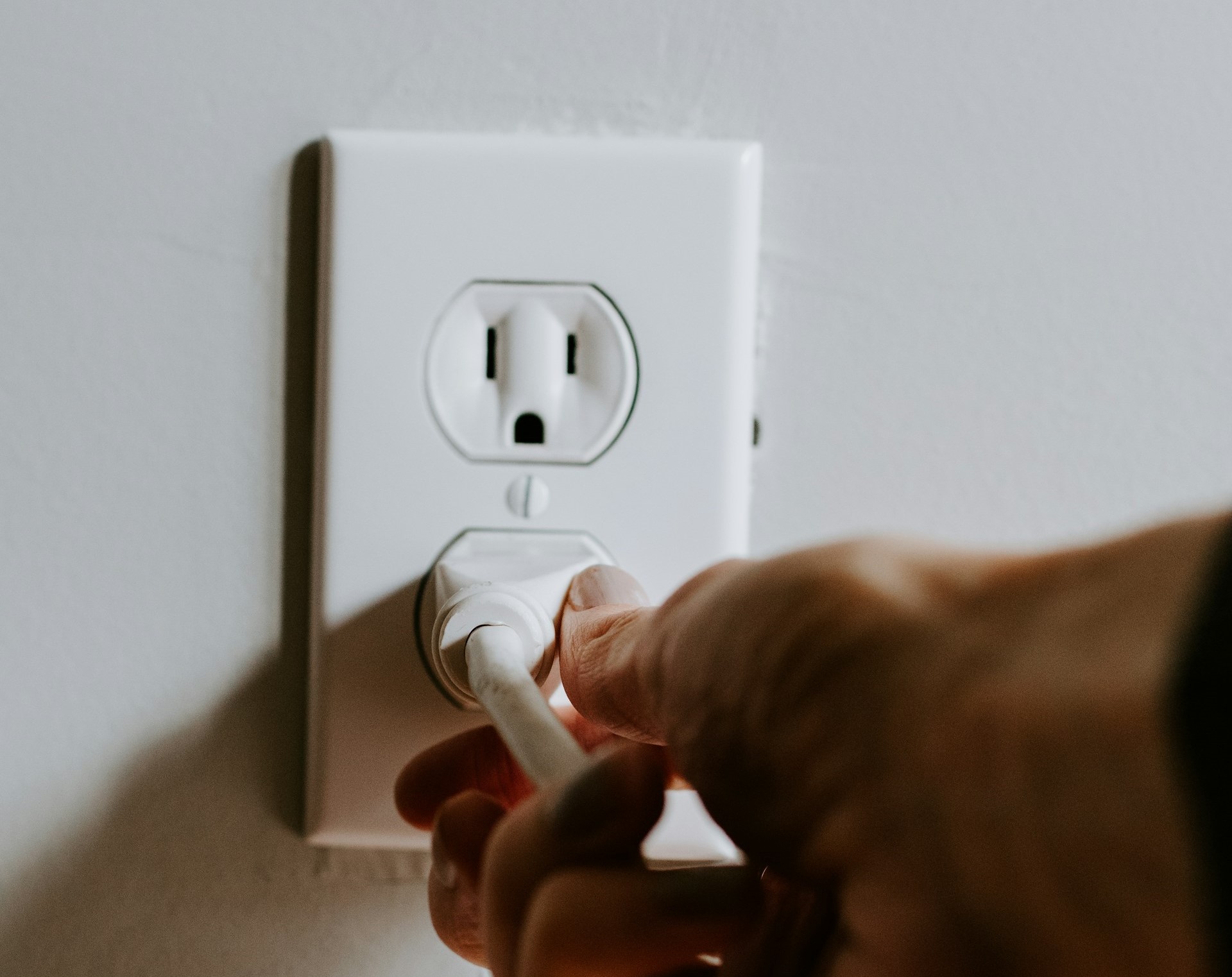
    電源ケーブルの配線も決まっている訳ではありませんが、画像のマリンコプラグだと丁寧に「黒・緑・白」と繋ぐ箇所が分かります。

    壁コンセントをよく見ると分かりますが左が長く右が短いです。
    長い所がコールド(白)・短い所がホット(黒)のパターンが大半かと思いますが違う物もある事や、建物の工事もいい加減なので壁内で配線が間違って反転している事もあります。
    ただ逆になってても動作には問題ありません。
    間違ってもアースをホット側に繋ぐ事が無い様に注意が必要です。機器全体に100Vが流れ感電や機器が破損する可能性が出てきます。

    必ずテスターで繋がっている箇所を確認し、元と同じ様に作れば問題は起きません。

    PXL_20250322_080835014

    プラグ交換ではなく電源ケーブルを製作する場合、値段も天井知らずなので基本は予算に応じて何でも良いのですが大事な最低限は「シールド効果のあるケーブルか?」だと思います。

    ノイズを守る要素を持つケーブルと持たないケーブルがございますので、内部にアルミや銅のテープで包まれている電源ケーブルを選択しましょう。

    30mm程度剥いて、内部の配線を25mm程度剥いてコネクタにビス止めすれば完成です。

    PXL_20250322_080927694

    PXL_20250322_081532635

    配線を剥いてコネクタにネジ止めすれば簡単に完成します。

    この後で元の同じ通電状態になれば問題ありません。

    電源ケーブルは簡単に製作できますので、プラグを変えたりケーブル自体を変えて音の変化を楽しんで下さい。

    音が変わる要素として電源プラグのメッキが影響を及ぼす事が知られています。

    非メッキが良い様に扱われがちですが音は所詮好み、非メッキは音に影響を与えないパーツなので良くも悪くもならない意味で良いパーツです。

    銀メッキは高域に寄り、低域が削れて音が煌びやかになるので音のバランスを崩します。この音が好きなら問題ありませんが、これで「音がクリアになった」と売りにするケーブルも多いので子供騙しで金儲けしているブランドも多いです。

    安い電源ケーブルでも機器側は非メッキでケーブルにもアルミテープが巻かれている物がある為、そのコンセント側を非メッキに交換するだけでも音は良くなります。
    大事な事は「アースがしっかり機能する状態」にする事です。
    電源ケーブルで音を良くするというよりもこちらの方が大事で、アースが取れる事が重要です。
    これは建物自体のアース工事が必要ですが、これも高額ではなく電気業者に頼めば2~3万円程度で行えます。
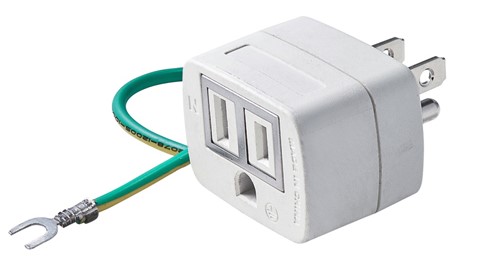
    もしくは一般家庭だと壁のコンセントをアース付き3Pタイプに交換し、冷蔵庫や洗濯機近くにあるアース線から引っ張ってきて接続するやり方もお勧めです。

    PXL_20250322_081727813

    ありがとうございました。


    This is an explanation of how to make power cables.

    Power cables are parts that influence the sound, and there is a wide range of them from low-priced ones to expensive ones.

    However, the production itself is very easy and flexible, so you can customize them to your own liking.

    It is easy to think that making power cables is a difficult task, but it is not so unexpectedly.

    When making a power cable, there is only one important thing to do: simply reconnect the power cable to the currently connected point.

    When replacing only the plug, simply check the original power cable with a tester to note where the current is flowing, and replace the plug.

    The plug is also just screwed on with a screwdriver, so all you have to do is use a wire stripper to face the wires and screw them back on.

    When making power cables instead of replacing plugs, the price is through the roof, so basically anything will do depending on your budget, but the important minimum is “Are the cables shielded?” The minimum requirement is “Is it a cable with shielding effect?

    Some cables have noise shielding and some do not, so choose power cables that are wrapped with aluminum or copper tape.

    It is easily completed by stripping the wires and screwing them to the connector.

    After this, if the power is restored to the same state as before, there is no problem.

    Power cables are easy to make, so enjoy changing the sound by changing the plug or the cable itself.

    It is known that the plating of the power plug has an effect on the sound.

    Non-plated plugs tend to be treated as better, but sound is just a matter of taste, and non-plated plugs are good parts in the sense that they do not affect the sound, neither better nor worse.

    Silver plating tends to lean toward the high frequencies, and the low frequencies are cut off and the sound becomes more sparkling, which disturbs the balance of the sound. If you like this sound, there is no problem, but many cables are marketed as “clearer sound” with this, so many brands are making money by fooling children.

    Some inexpensive power cables are unplated on the equipment side and have aluminum tape wrapped around the cable, so simply replacing the outlet side with an unplated cable will improve the sound.
    The important thing is to make sure that the grounding functions properly.
    This is more important than improving the sound with power cables, and it is important to be able to ground the system.
    This requires grounding of the building itself, which is not expensive and can be done for about 20,000 to 30,000 yen if you ask an electrician.
    Alternatively, it is recommended to replace the wall outlet with a grounded 3-pin type, and connect it to the grounding wire near the refrigerator or washing machine.


    〒114-0014 東京都北区田端1-21-3 エーデルワイス101

    ギターリペア工房 Draw a New Sound

    東京都 山手線 田端から徒歩2分 どこよりも早いリペア早期仕上げ対応可能のリーズナブル料金&丁寧な作業のギターリペアショップです♪

    ●ホームページ Draw a New Sound

    ●YouTubeではブログでは語られない裏話からギターの作り方まで掲載中! 
    マイチャンネル YouTubeチャンネル

    ●ツイッター DNS_Guitar


    PXL_20250218_102139152
  • クルミラ加工実験① ギターシールドケーブルのプラグをクルミラ加工

  • 2025/03/22
  • Category:
  • PXL_20250313_110911744

    以前のYoutubeにてクルミラ加工商品が音に良い影響を及ぼす事が分かった事と思います。

    今回は実験を協力してほしい観点から話が始まり、ギターシールドケーブル・電源ケーブルのプラグ(アース付き)・オーディオケーブルの実験に協力してもらう形となりました。
    これらも動画にて実験をアップしていきます。

    まずはギターシールドケーブルはYoutubeに上げた通りです。

    【クルミラで音質向上実験①】ケーブルのプラグをクルミラ加工したらギターサウンドはどの様に変化するのか?プラグのみでも音良くなる? ギタークラフトマン&ギターリペアマンの話 Vol.687


    今回は工房でも使用しているmogami 2497で実験します。

    プラグにフルテック製FP-703を使用したケーブルになります。

    まずはギターとチューナーを繋ぐ4mを製作し、プラグのみクルミラ加工されたFP-703を用意し同じ物で実験します。

    正確には使用し続けた中古品と新品との比較でもあるので注意下さい。
    中古2497は工房での室内使用のみのケーブルですので、ケーブル本体の消耗はあまり無いものと考えギター側に挿す片方のプラグのみ消耗しているものとお考え下さい。

    ※今回の実験に製作したクルミラ加工プラグ付き2497のブレークイン時間は殆どしてない状態から撮影をスタートしております。

    ~クリーン~

    ●加工前・・・今回の基準となる音。音が煌びやかで雑味も出てくる。

    ●クルミラ加工・・・音にコンプレッサーが掛かった様な音にまとまり感が出てくる。雑味が減りコードの形も見え易くなるが楽器特有の雑味が減り「生楽器っぽさ」が減る。「音がクリアになった」とも言える。アルペジオの抜けも良く、特に単音で弾いた時の音のパワー感が強くなる。

    ~アンプ歪み~

    ●加工前・・・基準の音。

    ●クルミラ加工・・・雑味が減るのでコードの音の形が見え易い。以前行った電源プラグに挿して使用する改質コンセント程の音変化はしない。ただプラグ2個だけでここまで音が変わるのは凄い。大きくは変わらないが音質の微調整に向いていると言える。
    Gainで歪んでいるというよりブースター等でVolumeを上げて入力している様な歪みの質感になります。

    ~エフェクター歪み+アンプ歪み~

    ●加工前・・・基準の音。ハウリングしまくりで音の形も汚い。

    ●クルミラ加工・・・加工前の音と比べ非常に音がクリアになる。音もまとまる様になり、音が暴れず綺麗に鳴ってくれる。特にセンターからフロントに掛けての音の潰れ具合の際に綺麗に鳴ってくれるのは凄い効果。

    ~ダウンチューニングギター(ドロップB)~

    ●加工前・・・元々がハイゲイン用のギターなので深い歪みでも綺麗に鳴らせられる。

    ●クルミラ加工・・・音の「ザラザラ感・チリチリ感」が無くなり綺麗に音が聴こえる様になる。この実験で分かる事として深い歪み時は元の音を潰さずに出せる事が分かる。

    ~まとめ~

    まずプラグのみのクルミラ加工だけでここまで音質を変化させる事自体が凄い事に驚きます。
    確かにインパクトは低いかもしれませんが、動画で分かるレベルの変化をプラグ2個のみで行えているので数が増えれば大きな効果となっていきます。

    クルミラ加工されたパーツを楽器や機材に加えた際の効果として「元の音が強くなる」印象があります。

    これによりギターからの信号がクリアで強くなり、エフェクターやアンプの歪みエフェクトに負け難くなる(音が潰れ難くなる)事から歪み量が下がった感じになります。
    アンプやエフェクターのセッティングは変えていないので、この辺りが説明でよく分かるかと思います。

    クルミラ加工されたパーツの恩恵は今の所では憶測ですが「歪み量が多くなる・機材が多くなる程に効果を発揮する」と思います。

    機材が多くなればそれだけギターの信号が弱まり、ノイズに弱く出てくる音もぐちゃぐちゃしてくるので結局は上手く制御するか機材の数を減らす事になるはずです。
    この辺りの心配が緩和され、元の音が強いので音の付け足しが用意になり音作り面で足し算がし易くなるはずです。

    今回の様なクルミラ加工されたプラグ2個だけではその範囲を全て賄うのは難しいと思うので、使用する機材に応じて増やしていく事でロスを防ぎアンプまで強い信号を送る事が可能になるはずです。

    例えばギターからエフェクターまでにクルミラ加工プラグが付いたケーブルが接続されている場合、使用しているエフェクターが6個程度とすると恐らくクルミラ効果だけでは最後辺りで信号が潰れてくると思います。
    3個辺りからクルミラ加工プラグを付いたケーブルを増設したり、エフェクター出口からアンプまでのケーブルをクルミラ加工プラグが付いたケーブルを使用する等してロスした分を補う様な箇所にクルミラ加工パーツを入れると信号ロスを減らす事ができる事でしょう。

    エフェクターを多数使用しているプレイヤー、マルチエフェクター等のデジタル機器にクルミラ加工パーツは音質劣化を防ぐパーツとして重宝するでしょう。

    ありがとうございました。


    First of all, it is amazing that the sound quality can be changed so much just by processing Kurumira plugs alone.
    It is true that the impact may be low, but the level of change shown in the video can be achieved with only two plugs, so if the number of plugs is increased, the effect will be significant.

    The effect of adding Kurumilla-processed parts to instruments and equipment gives the impression of “strengthening the original sound.

    This makes the signal from the guitar clearer and stronger, and makes it harder to be defeated by the distortion effects of the effects pedals and amp (the sound is less mangled), resulting in a lower distortion level.
    We have not changed the settings of the amp or effectors, so you can better understand this area in the explanation.

    The benefit of the Kurumilla processed parts is a guess at this point, but I think “the more equipment you have, the more effective it will be.

    The more equipment you have, the weaker the guitar’s signal becomes, the more vulnerable it is to noise, and the more messed up the sound becomes, so in the end you will either have to control it better or reduce the number of equipment.
    This is not a problem, and since the original sound is strong, it will be easier to add to the original sound, and it will be easier to add to the original sound.

    It is difficult to cover the entire range with only two plugs processed with Kurumira, so it should be possible to send a strong signal to the amplifier without loss by increasing the number of plugs depending on the equipment to be used.

    For example, if a cable with a Kurumilla-processed plug is connected from a guitar to an effector, and if there are about 6 effectors in use, the Kurumilla effect alone will probably destroy the signal around the end.
    If you add cables with Kurumira processed plugs from around 3 effectors, or use cables with Kurumira processed plugs from the effector outlet to the amplifier, you can reduce signal loss by adding Kurumira processed parts at the points where the loss is compensated for.

    Kurumira processed parts will be useful for players who use many effectors and digital devices such as multi-effectors to prevent sound quality degradation.

    Thank you very much.


    〒114-0014 東京都北区田端1-21-3 エーデルワイス101

    ギターリペア工房 Draw a New Sound

    東京都 山手線 田端から徒歩2分 どこよりも早いリペア早期仕上げ対応可能のリーズナブル料金&丁寧な作業のギターリペアショップです♪

    ●ホームページ Draw a New Sound

    ●YouTubeではブログでは語られない裏話からギターの作り方まで掲載中! 
    マイチャンネル YouTubeチャンネル

    ●ツイッター DNS_Guitar


    DSC_0465-730x400
  • 「弦は張りっぱなしで良い」というウソ。「ネック反りはトラスロッドの力でバランスしている」というウソ。

  • 2025/03/08
  • Category:


  • 今現在でも論争が起こっている「弦は緩めるべき?弦は張りっぱなしで良い?」という話。

    いつまで続けるのか分かりませんがこの様に答えがハッキリとしない物事はいくらでも言えて誤魔化す事ができ、それにおいて人を騙すビジネスモデルが入ってきますのであくどいです。

    結局は情報弱者が騙されるので、勉強して自己防衛するしか方法はありません。

    日本は特にメディア洗脳が強く、誰が何と言おうと有名な人や大きな企業が言えばそれが正しいと鵜呑みにします。
    ハッキリ言えばアホばかりなので、そこが治らない限り悪い企業は無くならないでしょう。
    何かがあれば人のせい、自分の責任を他人に押し付け一向に成長しないその姿勢を直した方が良いです。
    全てにおいて悪いのは国民、勉強しおかしい事を見抜く力を持つ事とおかしな事には従わない姿勢を持たないといけません。
    それが皆が行動に起こせていたら、悪い企業も存続できず滅んでいきます。そして本当に良い企業だけが残る社会になります。

    ~そもそも答えは既に出ている~

    musician-785209_1280

    昔から発信しておりますがリペアショップで起きている事実を全ての楽器に関わる所が公表すべきです。
    恐らく私だけじゃないでしょうか?
    その理由も簡単で、商売の取引先の都合が悪い事は言えないので多くのリペアショップもダンマリを決め込みます。
    また今まで自分達が無知な発言を長く続けていた事もあり、今更「間違っていました」と言えないからです。

    私から発信せずとも、80年代頃にモジュラスが出てきてカーボンネックが採用された際に答えは出ています。
    木材よりも硬質で人工物により湿気乾燥への安定性も抜群、モジュラスが出てきた際にカーボンネックは反らないとされて最初はトラスロッドも入れられていませんでしたが、結果反るのでトラスロッドが入れられました。
    これが既に答えです。

    それだけ弦張力が強く、ネックがその力に耐えきれる構造で無いから弦張力に負けて曲がっていきます。

    弦は緩めないといけないし、その理由は楽器が物理的に耐えられる負荷の範囲を超えているから。
    弦張力という大きな負荷に長年耐えられない構造だからという事と多くの楽器を見てきて状態が悪い楽器が多いからです。

    弦を張りっぱなしで良いとするなら状態が悪い楽器は殆ど出てこない、しかし世の中の大半は状態が悪い。
    それを扱う現場であれば猶更分かる話、知ってて言わないのか知ってても理解できない素人かの二択でしかありません。

    弦を緩めるかどうか?の話は過去のブログ記事やYoutubeに散々上げていますので詳しくはそちらをご覧下さい。

    さすがに過去にした同じ話をここでするのも面倒なのでご自身で勉強する事、結論だけ表記しますが緩めるかどうかの判断はまず自分の楽器を「正しく調整できた状態」にした上でトラスロッドを回して「ロッドの余り量を確認」して下さい。
    この余り量が多い・100%に近いなら逆反りしてしまうと困る事になる(1Wayトラスロッドの場合)ので弦は張りっぱなしで良いと言えますがこの様な状態が良い楽器は珍しいです。
    殆どの楽器はトラスロッドが結構効いている・ユルユルよりも限界への方が近い状態が大半です。
    この余り量を見て緩める量を調整して下さい。
    これら作業で実際に余り量を確認をした上で張りっぱなしで良いとか緩めないといけないと言えないならダメです。
    これら作業を多くの楽器に行えば、トラスロッドが100%近く余っている楽器なんて殆ど目にしないので割合としては「弦は緩めた方が良い」の方が圧倒的に高いです。

    ※木材に関係する物の保管は基本、乾燥しない様に湿度を基本的に一定以上をキープする事は前提。

    ~例~

    ・トラスロッド限界 → 弦を張力が発生しないダルダルに緩め、トラスロッドの力で逆反りしてくれたらラッキーな状態にする。

    ・トラスロッドの余り量が半分程度 → 1音半下げ~2音半下げ位にしておく。この時に余り量を増やしたいなら上記の様にダルダルにして逆反りしたらラッキー、余り量が増えた際に半音~1音下げ等で保管する等で応用する。

    ・トラスロッドが100%余り量がある → 逆反りすると困るので弦を張りっぱなしにしておき、むしろ順反りしてきてから緩めて保管する。(楽器として理想的な状態だが、実際には殆ど無い状態)

    ~何故私がトラスロッドの余り量にうるさいのか?~

    bass-guitar-2337394_1280

    トラスロッドの余り量は非常に重要で、その理由は「寿命」に直結するからです。

    楽器は基本的に「一生もの」にできます。

    それができない理由として「順反りが酷いから」になってきます。

    トラスロッドの余り量があれば順反りを直し通常通り使用できますがこのトラスロッドが効く範囲は「有限」です。無限に使える訳ではありません。

    つまり一生使い続けるにはどれだけ「ネックを順反りさせないか?」が非常に重要になります。
    当たり前ですが「トラスロッドを交換すれば良いのでは?」というバカな質問はしないで下さい。

    トラスロッドが余っていて順反りさえしなければ楽器は一生使い続けられます。

    ナットやフレット等の消耗品は交換すれば良いし、各所の調整機構はどうとでも調整できますがトラスロッド調整だけは有限なので順反りさせない事が楽器としてのそのまま寿命という事です。
    「トラスロッドの余り量=寿命」です。

    その重要なトラスロッドの余り量が近年は木材が柔らかい事から「新品でトラスロッドの余り量が少ない・限界で売っている」という事がいかにマズイ事か理解できますか?
    つまり高額な商品でも長持ちしない状態、最初からこんなに状態悪いので将来長年使い続けられる訳ない状態で売っているという事です。
    だから買う際にしっかり状態を確認させてから買わないといけません。
    もちろん新品はこの先どうなるか未来の事は分かりませんが、初期状態を見るに将来性が無い予想は付くでしょう。
    スタート地点で状態が悪いなら、この先長年生き残れる訳ないです。

    中古品が何故買う際に良いのか、例えば2000年製の楽器が現在2025年に購入した際、トラスロッドの余り量が多い場合は25年もこの良い状態をキープし生き残った良質個体と判断でき、そうした個体はこの先も状態が変わらず使い続けられるだろうという目途が立つからです。

    でもこうした情報は私が昔から発信している訳ですし、ハッキリ言えば常識です。
    買った楽器が状態悪い等で被害に会っても文句が言えるのか微妙な範囲と思います。
    新品でも状態を細かく公表していない楽器屋を疑いもせず信用している客が悪いです。

    だから客側がお店に対し「状態の詳しい表記をしろ!」と本来は怒らないといけません。
    それをやらないんだから、現状を変えようとしないし行動もしないから今の様な社会になっています。

    基本的にお店は新品でもトラスロッドの余り量を表記させる様に提示する事と、過去にもYoutubeにアップした内容の様に1本1本検品した動画を公表する必要があります。


    ~大事な事は木材強度~

    bass-1508581_1280

    「弦は張りっぱなしで良い」というアホの意見に多いのは「トラスロッドの力で反りがバランスしているから」という理屈なのですが、完全におかしな話です。

    例えば上記のモジュラスはトラスロッドが入っていないモデルが存在しているし、現行品でもトラスロッドを入れていないメーカー「ヴィジェ」がある訳と昔のモデルを再現したアコギ(マーチン等)にもトラスロッドが入っていないモデルが存在します。
    これらはどう説明するのか話を聞きたいです。

    大事な事はトラスロッドの力ではなく木材自体の「強度」が大事です。
    弦張力に耐えきれるその強度が無いから反る訳で、極端に言えば木材で作るなら握れない位に非常に太いネックにすれば弦は張りっぱなしで反りません。理由は弦張力に負けない位の強度をネックが持っているから。
    その強度を持っていないから反る、簡単な話です。
    この強度が非常に高い状態でも反るなら湿気や乾燥・シーズニング不足が原因になってきます。

    そもそもチューニングしていけば分かる話ですが、ギターの場合6弦から1弦にチューニングし1弦が終えた際に6弦に戻れば半音以上は下がっているでしょう。
    この理由はネックが弦張力に負けて順反りして先にチューニングした6弦が緩むからです。
    弦張力にネックが負けている事もこれで分かるでしょう。

    ~トラスロッドの詳細~

    今回のポイントです。

    「トラスロッドの力でバランスする」という、トラスロッドの力はそんなに万能的で都合が良い機能なのでしょうか?答えはNoです。

    トラスロッドは非常に単純な機構で、曲げた鉄の棒を木材内に仕込んでいるだけです。

    unnamed

    画像はGoogle検索で出てきた物を流用しています。

    1Wayトラスロッドは曲げた鉄の棒を仕込んでおり、2Wayは曲げて仕込む必要が無いので真っ直ぐな溝を掘って仕込むだけです。

    今回は分かり易く1Wayトラスロッドで説明しますが、トラスロッドのナットを回していくと曲がった棒が引っ張られ真っ直ぐになろうとする力を内部に発生させます。
    この押し上げる力によりネックを逆反り方向に変形させていきます。

    しかしこの棒が真っ直ぐになると押し上げる力を発生できなくなるので逆反りさせる事ができず、この状態と「トラスロッド限界」と表します。

    2Wayも同様の動きです。2Wayの場合は2本のトラスロッドがそれぞれ上か下かに動いて順反り・逆反りに対応します。

    ~そもそもトラスロッドの力で弦張力と本当にバランスできるのか?~

    1

    ポイントとして、トラスロッドが逆反りさせる力が一番強い部分は「たわみ量が一番多い所」です。
    これは誰でも簡単に分かる事でしょう。トラスロッドが仕込まれる位置やトラスロッド自体の長さ・たわみ量により最も効くポイントは各メーカーで異なりますが大体はネックの真ん中辺りです。

    大体の楽器屋やリペアマンはココの時点で知識が止まっている人が多く、バランスしているという言葉はこの「トラスロッドが一番効くポイントだけ」を言ってるなら正しく聴こえる言葉に感じてしまいますが、ネック全体で考えるなら実際はそう上手くいきません。

    ネック全体で見ると実際は以下の様な力になります。

    2

    トラスロッドが最も効く真ん中から端に向かい逆反りさせる力は弱まっていきます。
    何故ならトラスロッドのたわみ量が少なくなるからです。

    「たわみ量が多い=トラスロッドが移動する範囲が大きい」からで、その範囲が端に行くにつれ減っていきます。

    「張りっぱなしで良い」のが良くない例として分かり易いのが「ハイ起き」です。

    vvvvvv

    トラスロッドの逆反りさせる力が殆ど掛からない・力が無いに等しいネックのヒール部分から折れ曲がる現象がハイ起きです。

    これはネックをネジ止めする箇所は殆ど真四角で強度が高いに対し、手で握る箇所になるといきなりネックグリップに形状が削られて形が変化する事から極端な強度低下が起きてしまいネックでも弱い部分になります。

    実際にネック反りは綺麗には曲がりません。弱い所を起点に曲がって変形します。

    この「弱い所を起点に曲がる」がポイントですので絶対に覚えていて下さい。
    特別な製造加工(補強する事や強度が高い木材を使用しない場合)をしない通常の仕様ならネック内でこの作用が働きます。

    ハイ起きは強度が充分に無いネックであればその曲がり具合の大小はあるが弦を張りっぱなしにしていれば必ずと言っても良い位に起こる現象でありこの現象は湿気乾燥で反る言い訳も通用しない部分になります。
    この辺りはリペアマンなら誰でも分かる話でしょう。
    「張りっぱなしで良い」というリペアマンはハイ起きを何で度外視してるのだろう?と思う事やネック内の強度が弱い所が反る事も何で度外視してるのだろう?と思ってしまいます。
    間違った情報を与え、自分で壊させて修理や買い替えでお金を使ってもらうビジネスをしているからです。

    vvv-640x400

    ESP等のメーカーはネック内部に補強材を仕込んでいたり、更にハイポジション側にはハイ起き防止用として追加で保証材を仕込んでいます。

    当たり前の話ですが弦張力はそれだけ強いので対策する事はハッキリ言えば「当たり前」です。
    対策していない方がおかしいです。
    多くのメーカーがその当たり前をサボっている訳で、それをしていないメーカー品なら買う側も使い続けて状態が悪くなる物を買ってる意識を持たないといけません。
    買う客が被害者面はできないです。

    補強材は文字通り補強の意味ですがこれはまた違う意味があります。

    木材は昔から言っている通りで「端から端まで均一な強度ではない」事です。

    つまりネック内にも柔らかい所・硬い所が存在し、そこに弦張力が加わると綺麗に反らず波打ちします。
    上記でも覚えていてほしかった「弱い所を起点に曲がる」からです。
    強度が高く安定した木材で無い限りはネックの殆どは正確には波打ちします。

    この強度のバランスの悪さを整える為、人工物の補強材を内部に仕込む事でネック全体の強度バラつきを整えてネック反りが綺麗に曲がる事やトラスロッドの効き具合も綺麗に反る様になります。

    この恩恵は調整時に顕著になって現れ、ネック反りが綺麗に真っ直ぐにできるので弦高が低くてもビビらないし弾き易い状態に持って行きやすくなります。
    よくある「同じ弦高のはずなのにこの楽器はビビりが多い」等はこのストレート精度による影響も大きいです。
    ネック自体の強度が高いか、ESPの様にネック全体を物理的に補強し反りが綺麗に整えられるバランス性を持っているネックでないと良い調整状態に持っていくのは難しいです。

    3

    「弱」や「強」は適当に付けてますが、この様な強度バランスもネックもある事でしょう。

    極端な話にはなるかもしれませんがあくまで例題として上記の状態で弦張力が発生しある程度トラスロッドを効かせている場合、ヘッド側から説明するとローポジションが弦張力で順反りし1~2フレット付近の弦高が高くなる(ナット高が高い様な弾き心地)、トラスロッドが最も効く真ん中付近のローポジション側の強度が弱い為にこの部分だけ逆反り具合が大きくなる、ジョイント付近が弱いのでハイ起き気味になる、等。

    これはあくまで極端な例ですが木材は強度のバラつきが出てきますので、この様な極端な例でなくても似た様な要素は必ず発生します。

    つまりこの強度バラつきを整える加工(上記の様な補強材)を行って強度を一定に保てる様にしてあるか、ネック全体にトラスロッドの強い力を発生させないといけません。

    4

    無理な話ではありますがあくまで例として、トラスロッドの力で本当にバランスさせるにはトラスロッドの力が最も効く強い力をネック全体に均等に掛かってないと無理です。
    そもそも通常のトラスロッドの力だけでこの現象を発生させるのは無理です。

    この力が全体に発生できれば木材の強度バラつきもある程度弱い所もトラスロッドの力で相殺させ、ネック全体に偏りなく弦張力に負けない反発力を発生させていたらバランスできる事になるでしょう。
    もっと細かく言うなら強度が弱い所にはトラスロッドの力が効いて強度が強い所には効かない様な力が必要ですが、そんな事は無理です。

    514sJ-BLexL

    このおもちゃ、名前が分からないのですが理想的なトラスロッドの例えとして伝わりますか?
    正確には上記にもあるトラスロッドの真ん中辺りの強い力を全体的に発生させる構造をしたトラスロッドとなる物が必要で、その強い力を発生させる箇所が多いトラスロッド、その調整するナットが沢山あるトラスロッドが理想的です。
    グリップ側に調整するナットが複数出てて、本気でバランスさせるなら反ってる箇所だけを自分の意思で調整でき全体を綺麗に真っ直ぐに調整していくトラスロッド機構が必要です。
    まぁ無理な話でしょう。ここまできてやっと「トラスロッドの力で弦張力がバランスしてる」と言える領域になります。

    分かり易く言うならトラスロッドが効く所はネックの真ん中辺りだけで、他はその力に影響されて変形しているに過ぎません。
    ここの木材の強度が加わると弱い所は変形率が大きく硬い所は変形率が低いから綺麗に真っ直ぐにする際に支障が出てくる(波打ちの原因)となります。

    今楽器に使用されているトラスロッドだけの力で弦張力とバランスさせるには不可能で、バランスさせる事に近付ける為にはせめてもの工夫として強度が不安定な木材でなく人工物を使うか、全体的な補強をして強度のバラつきを整えるか、上記にもあるトラスロッドの力がネック全体に細かく調整できる新たなトラスロッドを使用するか?になる事でしょう。
    これで分かると思いますが基本的に大事な事はネック自体の強度が基本、そこにネック全体への自由度が高いトラスロッド調整システムが加わらないとバランスしてると言うのは不可能です。
    実際は「今はバランスしている様に見えるだけ」と思った方が良いです。
    何度も言いますが本当に大丈夫なら状態が悪い楽器は世の中に殆ど存在しなくなります。
    大事な事も昔から言っていますが「ネック自体の強度」が重要です。

    ここまで丁寧に説明しても後で必ず出てくる「私の楽器は反らない」とか言う人が出てきますが、あなたの楽器なんて知りません。
    長年張りっぱなしにして状態が悪くならないならそうした強度が高く材の安定した良い個体をたまたま手にしているか、状態が悪くなっている事も気が付かない素人なだけです。
    私は今現在の話をしています。昔がどうとか知りません。
    そんな事を業界の人でもない人が言ってくるのはただの老害です。
    楽器は全て条件や状態が同じではありません。その程度も考えないし理解しようとしないのでしょうか?
    プロ野球の大谷翔平選手がプロで活躍できるんだからお前もできるだろ?って言ってる様なものです。

    現在のリペア現場は悲惨な物で新品で買った高額で有名な楽器が大きく順反りし調整でトラスロッドの余裕が少ない・限界になったのでこれから長持ちする目途が無さそうですね、と伝える日々です。
    ショックを受けるお客様の顔はストレスでしかありません。
    そもそも楽器屋で検品してたらメーカーに返品してるだろ?って状態です。
    実際は検品なんてしてませんしブラック企業ばかりでまともな人員も居ませんから状態が良いとか悪いとかの判断も分からないですし、こうした所から買い物するなら全て疑って掛かり自分の目で全てを確認できないと買うに値できません。

    読んで頂きありがとうございました♪


    The controversy still rages to this day, “Should I loosen the strings? Should I leave the strings taut?” I don’t know how long it will continue.

    I don’t know how long it will continue, but things like this, where the answer is not clear, can be said and deceived as much as possible, and the business model of deceiving people comes in.

    In the end, it is the people with weak information who are deceived, so the only way to protect yourself is to study and defend yourself.

    In Japan, the media brainwashing is particularly strong, and people take for granted that whatever a famous person or a big company says is right, no matter who says it.
    To put it bluntly, we are all idiots, and until that is cured, bad companies will not disappear.
    It is better to fix their attitude of blaming others when something happens, putting the blame on others and never growing up.
    The people are to blame for everything. They need to study and have the ability to recognize what is wrong and have an attitude of not following what is wrong.
    If everyone could act on this, bad companies would not survive and would perish. And only the truly good companies will remain in our society.

    ~The answer is already out there.

    As I have been saying for a long time, all the places involved in musical instruments should disclose the facts about what is happening in repair stores.
    Perhaps I am the only one.
    The reason for this is simple: many repair stores are not willing to say what is inconvenient for their business partners, so they keep quiet.
    Also, because they have been making ignorant statements for a long time and cannot say “I was wrong” now.

    The answer came out around the 80’s when modulus was introduced and carbon necks were adopted.
    Carbon necks are harder than wood and have excellent stability against moisture and drying due to man-made materials. When modulus came out, it was assumed that carbon necks would not warp, and no truss rod was put in at first, but as a result, a truss rod was put in.
    This is already the answer.

    The tension of the strings is so strong that the neck is not structured to withstand the force, so the neck bends under the tension of the strings.

    The strings must be loosened, and the reason for this is that the instrument is physically beyond the range of load it can withstand.
    This is because the structure cannot withstand the great load of string tension for many years, and also because I have seen many instruments in poor condition.

    If it were okay to leave the strings in place, there would be few instruments in bad condition, but the majority of the world’s instruments are in bad condition.
    If you are in the field dealing with such instruments, you will understand this story even more, and there are only two choices: either you know it and don’t say it, or you know it but are an amateur who doesn’t understand it.

    Loosening the strings or not? I have talked about this in past blog posts and on Youtube, so please refer to those for more details.

    It would be tedious to repeat the same story I have told in the past here, so you should study it by yourself.
    If the amount of excess is large or close to 100%, you can say that the strings should be left taut because you will be in trouble if they warp backwards (in the case of a 1-way truss rod), but it is rare to find an instrument in such a good condition.
    Most instruments have a truss rod that is closer to the limit of its tension than it is to the limit of its looseness.
    Adjust the amount of loosening by looking at the amount of excess.
    If you cannot say that the truss rod should be left taut or loosened after checking the amount of excess in these operations, it is no good.
    If you do this for many instruments, you will not see instruments with truss rods with nearly 100% excess, so the percentage of “strings should be loosened” is much higher.

    The basic premise for storing items related to wood is to keep the humidity above a certain level to prevent them from drying out.

    ~Example

    Truss rod limit → Loosen the strings to a dull dull state where no tension is generated, and you will be lucky if the truss rod warps the strings backwards.

    If you want to increase the amount of truss-rod excess, you should lower it by 1 1/2 to 2 1/2 notes. If you want to increase the amount of excess at this time, you should make the truss rod as dull as above and be lucky if it warps backwards, or you can keep it half to one note lower when the amount of excess increases.

    If you want to increase the amount of excess in this case, you are lucky if it is inverted, but if you want to increase the amount of excess in this case, you should keep the strings taut. (ideal condition for an instrument, but in reality there is very little)

    ~ Why am I so picky about the amount of extra truss rod? ~ Why am I so picky about the amount of truss rod excess?

    The amount of truss rod left over is very important because it directly affects the “life” of the instrument.

    Basically, an instrument can be made to last a lifetime.

    The reason why this is not possible is because of severe forward warping.

    If there is an excess amount of truss rod, the warp can be corrected and the instrument can be used as usual, but the range in which this truss rod can be used is “finite. It does not mean that it can be used indefinitely.

    In other words, if you want to use the instrument for a lifetime, it is very important to keep the neck from warping. It is very important to keep the neck from warping.
    Of course, you may be asking yourself, “Can’t I just replace the truss rod? Do not ask the silly question, “Can’t I just replace the truss rod?

    As long as the truss rod is left over and the neck is not warped, the instrument can be used for a lifetime.

    You can replace nuts, frets, and other consumables, and you can adjust the adjustment mechanism in any way you like, but truss rod adjustment is finite, and the life of the instrument is to keep the truss rod from bowing out.
    The amount of truss rod left over = the life of the instrument.

    Do you understand how bad it is to sell a new instrument with a small amount of truss rod left over or at the limit of the amount of truss rod left over because the wood has become soft in recent years?
    In other words, even expensive products are sold in a condition where they will not last long and cannot be used for many years in the future because they are in such a bad condition from the beginning.
    That is why you have to make sure that you check the condition of the product before you buy it.
    Of course, we don’t know what the future holds for new products, but we can predict that they will not have a future by looking at their initial condition.
    For example, if you buy a 2000 instrument in 2025 and it has a lot of truss rod left over, you can be sure that the instrument has survived 25 years in good condition and will continue to be used for 25 years.

    But I have been giving this information for a long time, and it is common sense to say the least.
    I think it is a delicate range to complain if the instrument you bought is in poor condition or otherwise damaged.
    It is the customer’s fault for trusting a music shop that does not disclose the condition of the instrument, even if it is a new one, without questioning it.

    Therefore, the customer should be angry at the store and say, “Make a detailed description of the condition of the instrument! The customer should be angry with the shop.
    The reason why our society has become the way it is today is because we don’t do that, we don’t try to change the current situation, and we don’t take action.

    ~ The important thing is wood strength~.

    Many idiots who say that “strings should be left taut” reason that “the force of the truss rod balances out the warping,” but this is completely ludicrous.

    For example, the modulus mentioned above has a model without a truss rod, and there is a reason why there is a manufacturer “Vigier” that does not have a truss rod in their current products, and there are also acoustic guitars (Martin, etc.) that reproduce old models that do not have a truss rod.
    I would like to hear how you explain these.

    The important thing is not the strength of the truss rod, but the “strength” of the wood itself.
    If you take it to the extreme and make the neck so thick that it cannot be gripped, the strings will remain taut and the neck will not warp. The reason is that the neck has enough strength to withstand the tension of the strings.
    If the neck does not have that strength, it will warp.
    If it warps even when this strength is very high, then moisture, dryness, or lack of seasoning is the cause.

    In the case of a guitar, if you tune from the 6th string to the 1st string, and when you return to the 6th string at the end of the 1st string, it will have dropped at least half a note.
    The reason for this is that the neck is losing tension on the strings and the neck is bowing forward, loosening the sixth string that was tuned first.
    You can also see that the neck is losing tension on the strings.

    ~Truss rod details~.

    The point of this issue.

    Is the power of the truss rod, “balanced by the power of the truss rod,” such a versatile and convenient function? The answer is no.

    The truss rod is a very simple mechanism: a bent steel rod is simply placed inside the wood.

    The image is adapted from a Google search.

    The 1-way truss rod has a bent steel rod, while the 2-way truss rod does not need to be bent, so a straight groove is simply dug and installed.

    When the nut on the truss rod is turned, the bent rod is pulled up and generates a force inside the truss rod to straighten it.
    This force causes the neck to deform in a reverse warp direction.

    However, when the rod is straightened, it can no longer generate the force to push up the neck, so it can no longer be warped backwards.

    In the case of a 2-way, the two truss rods move either up or down, respectively, to accommodate forward or reverse warping.

    ~ Can the truss rod force really balance the string tension in the first place? ~This is a very important question.

    As a point of reference, the area where the truss rod has the strongest reverse warping force is “where the amount of deflection is greatest.
    This is easy for anyone to understand. The point where the truss rod is most effective depends on the position of the truss rod, the length of the truss rod itself, and the amount of deflection, but generally it is in the middle of the neck.

    Most music shops and repairmen stop their knowledge at this point, and the word “balanced” may sound right if they are referring only to the point where the truss rod works best, but if you consider the entire neck, it doesn’t work that way.

    If you look at the neck as a whole, the forces are actually as follows.

    The force of reverse warping decreases from the middle, where the truss rod is most effective, to the ends.
    This is because the amount of deflection of the truss rod decreases.

    This is because “more deflection = greater range of movement of the truss rod,” and this range decreases as you move toward the ends.

    An easy example of where it is not good to “leave it taut” is in the “high rise” situation.

    The high incidence of bending occurs at the heel of the neck, where there is little or no force applied to reverse the truss rod.

    This is because the part where the neck is screwed on is almost square and strong, while the part where the neck is held by the hand is suddenly cut away by the neck grip and its shape changes, causing an extreme reduction in strength and making it the weakest part of the neck.

    In fact, the neck warp does not bend cleanly. It bends and deforms starting from the weak point.

    This “bending at the weak point” is the key point, so please keep this in mind.
    If the neck is not specially manufactured (without reinforcement or using high-strength wood), this action will work in the neck.

    This is a phenomenon that occurs when the neck is not strong enough to support the strings, but it is always present if the strings are left taut, and there is no excuse for warping due to moisture and dryness.
    This is something that any repairman will understand.
    Repairmen who say, “Just leave the tension on,” wonder why they ignore the high tension. Or, why do they ignore the fact that the weakest part of the neck can warp? I wonder why he is ignoring the high rise and why he is ignoring the warping of weak points in the neck.
    They are in the business of giving people wrong information so that they will break their own products and spend money on repairs and replacements.

    ESP and other makers have reinforcing material inside the neck, and also have additional guarantee material on the high position side to prevent high tension.

    It is a matter of course, but since string tension is that strong, it is “natural” to take countermeasures.
    It would be strange if there were no countermeasures.
    Many manufacturers are skipping the obvious, and if they are not doing so, the buyer must be aware that he or she is buying something that will deteriorate with continued use.
    The customer who buys the product cannot be the victim.

    Reinforcing wood literally means reinforcement, but this has a different meaning.

    As the old saying goes, wood is not uniform in strength from one end to the other.

    In other words, there are soft and hard areas in the neck, and when string tension is applied to these areas, the wood will not warp nicely, but will ripple.
    This is because, as I wanted you to remember above, “the weakest point is the point of bending.
    Unless the wood is strong and stable, most of the necks will be wavy to be exact.

    In order to correct this strength imbalance, artificial reinforcement is placed inside the neck, which adjusts the strength variation of the entire neck, allowing the neck to bend beautifully and the truss rod to work beautifully.

    This benefit is most noticeable when making adjustments, and since the neck warp can be straightened out beautifully, it is easier to bring the instrument to a state where it is easy to play without being scared, even if the string height is low.
    The common complaints such as “this instrument has a lot of vibrations even though the string height should be the same” are largely due to the accuracy of the straightness of the neck.
    It is difficult to achieve a good adjustment unless the neck itself is strong or the entire neck is physically reinforced like ESP’s and the warp is well balanced.

    The “weak” and “strong” values are given appropriately, but there may be a neck with a strength balance like this.

    This may sound extreme, but as an example, when the string tension is generated and the truss rod is applied to some extent, if we explain from the head side, the string tension in the low position warps the strings forward and the string height around the 1st and 2nd frets becomes high (feels like the nut height is high), and the truss rod is applied most effectively. The low position side near the middle is not strong enough, so the reverse warping is greater only in this area, and the joint area is weak, so it is high up, etc.

    This is just an extreme example, but since wood has variations in strength, similar factors are bound to occur even if not as extreme as this.

    In other words, the wood must be processed to adjust for this strength variation (reinforcement as described above) to maintain constant strength, or the entire neck must be subjected to the strong force of the truss rod.

    It is impossible, but only as an example, for the truss rod force to truly balance the neck, it is impossible unless the truss rod force is equally applied to the entire neck, which is the strongest force that will have the greatest effect.
    To begin with, it is impossible to generate this phenomenon with the normal truss rod force alone.

    If this force can be generated throughout the entire neck, then it will be possible to balance the variations in the strength of the wood and the weak areas to some extent, if the truss rod force can offset them and generate a repulsive force throughout the neck that will not be defeated by the string tension without any bias.
    To be more precise, the force of the truss rod should work on the weak areas and not on the strong areas, but this is impossible.

    I don’t know the name of this toy, but can you give me an example of an ideal truss rod?
    To be precise, you need a truss rod that has a structure that generates a strong overall force in the middle of the truss rod as mentioned above, and a truss rod that has many places to generate that strong force and many nuts to adjust it is ideal.
    If you really want to balance a truss rod, you need a truss rod mechanism that allows you to adjust only the warped part at your will and straighten out the whole truss rod.
    Well, that would be impossible. When you get to this point, you can finally say that the string tension is balanced by the truss rod’s force.

    To put it simply, the truss rod works only in the middle of the neck, and the rest of the neck is only deformed by the force of the truss rod.
    When the strength of the wood is added to these areas, the weak areas have a high deformation rate and the hard areas have a low deformation rate, which can cause problems when straightening the wood (the cause of rippling).

    It is impossible to balance the tension of the strings with the force of the truss rod used in the current instruments alone, and in order to come close to balancing it, we should at least try to use artificial materials instead of wood, which has unstable strength, or reinforce the entire instrument to adjust the strength variation, or use a new truss rod that allows the force of the truss rod, which is mentioned above, to be applied to the entire neck. Or use a new truss rod that allows fine adjustment of the truss rod force to the entire neck as mentioned above? The answer to this question will be “yes.
    As you can see, the basic importance is the strength of the neck itself, and unless a truss rod adjustment system with a high degree of freedom for the entire neck is added to it, it is impossible to say that the neck is in balance.
    In fact, it is better to think that “it just looks balanced right now.
    As I have said many times before, if it were really okay, there would be almost no instruments in bad condition in the world.
    As I have been saying for a long time, the most important thing is the strength of the neck itself.

    Even though I have explained everything so carefully, there will always be people who will come out later and say, “My instrument doesn’t warp,” but I don’t know your instrument.
    If you have left your instrument stretched for many years and it has not deteriorated, you either happen to have a good, strong, stable piece of wood, or you are an amateur who does not notice that the condition of the instrument has deteriorated.
    I am talking about the present. I don’t know what it was like in the past.
    It is just old people who are not in the industry saying such things.
    All instruments are not in the same condition or state. Don’t you think or try to understand that level?
    It’s like saying, “Shohei Ohtani is a professional baseball player, so you can do it too, right? It is like saying, “Shohei Otani can play professionally, so you can too.

    The current repair scene is a miserable one, where I have to tell customers that their expensive, famous instruments that they bought new have warped so much that there is little room for the truss rod to be adjusted, and that there seems to be no way for them to last much longer.
    The shocked look on the customer’s face is nothing but stress.
    If a music shop had inspected the instrument, they would have returned it to the manufacturer, wouldn’t they? I’m like, “No, I didn’t inspect the product.
    In fact, they don’t inspect their products, and since they are all black-owned companies with no proper staff, you can’t tell if a product is in good or bad condition. If you are going to buy from a place like this, you have to be able to question everything and check everything with your own eyes before you make a purchase.

    Thank you for reading.


    〒114-0014 東京都北区田端1-21-3 エーデルワイス101

    ギターリペア工房 Draw a New Sound

    東京都 山手線 田端から徒歩2分 どこよりも早いリペア早期仕上げ対応可能のリーズナブル料金&丁寧な作業のギターリペアショップです♪

    ●ホームページ Draw a New Sound

    ●YouTubeではブログでは語られない裏話からギターの作り方まで掲載中! 
    マイチャンネル YouTubeチャンネル

    ●ツイッター DNS_Guitar


BLOG CATEGORY

ARCHIVE